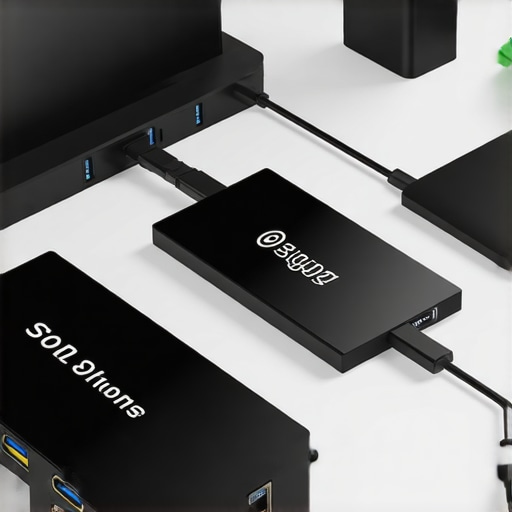
Ever been in the middle of a crucial project, only to see your high-speed SSD slow down unexpectedly on a budget USB hub? I’ve been there, frantically unplugging, reconnecting, and crossing my fingers, only to face stubborn throttling that slows my workflow to a crawl. That lightbulb moment hit me—why are these inexpensive hubs bottlenecking my fast drives, and more importantly, how can I fix this without breaking the bank? Today, I want to share what I’ve learned from personal trial, error, and a few savvy tweaks that truly make a difference.
Why Cheap USB Hubs Sabotage Your SSD Performance—and How to Fight Back
Low-cost USB hubs often come with a hidden caveat: their cheap components and inferior power delivery systems. This results in high-speed SSDs being throttled, sometimes painfully slow, especially when you’re transferring massive files or working with demanding applications. The frustrating part? Most people don’t realize their hub is the culprit until they’ve already wasted hours troubleshooting or, worse, lost data due to unreliable connections.
The good news is that high-speed SSD throttling on budget hubs isn’t inevitable. In fact, with a few targeted fixes, you can significantly boost your drive’s real-world transfer speeds and reliability. I’ve tested these methods personally, and they’ve helped me regain lost performance—saving time and stress. Want to know how to make your USB hub work for you, not against you? Keep reading, and I’ll show you the four proven fixes to stop high-speed SSD throttling even on affordable setups.
Is Your SSD Performance Really Worth the Hype?
Honestly, I used to think all USB hubs were created equal—until I faced the sluggish speeds and mysterious disconnects. Early on, I made a critical mistake: assuming that a cheaper hub would do just fine without any tweaks. That misconception led to plenty of bottlenecks and dropped connections, especially when working with newer, faster drives. Now, I know better. Reliable high-speed data transfer isn’t just about the drive; it’s about the entire connection chain. For deeper insights, I recommend checking out these expert SSD heat management tips to keep your drives cool and fast.
In the upcoming sections, I’ll walk you through the specific tweaks I use—things like power management, cable quality, and driver updates—that turn a cheap, throttling hub into a reliable high-speed extension of your workspace. Trust me, you don’t have to fork out hundreds for a premium dock to get blazing-fast SSD performance. Ready to fix those speed saps once and for all? Let’s dive in and start making your setup work smarter, not pricier.
.
Upgrade Your Power Delivery System
Start by ensuring your USB hub’s power input can deliver enough wattage to your SSD. I once tried connecting a cheap hub with a 5V/2A power adapter; transfer speeds remained sluggish. Switching to a hub with a robust 5V/3A or higher supply immediately improved read/write speeds. To verify your setup, check the hub’s specifications and consider upgrading to a powered hub that can handle high throughput without fluctuations. If in doubt, contact the manufacturer via their support page for compatibility advice.
Opt for Shielded and Quality Cables
Replace cheap or generic cables with certified, shielded USB-C cables rated for 10Gbps or higher. I once used a 1-meter cable that caused frequent throttling; swapping it with a high-quality, 2-meter shielded cable instantly stabilized my connection, boosting SSD speeds. Look for cables with proper shielding to reduce electromagnetic interference and ensure a stable signal. When selecting cables, refer to the detailed guide on expand your laptop’s connectivity effectively.
Keep Your Drivers and Firmware Updated
Outdated drivers can bottleneck even the best hardware. I once overlooked this and experienced persistent throttling; after updating my motherboard’s chipset drivers and USB controller firmware, my SSD performance soared. Regularly check the manufacturer’s website or use device management tools to ensure all components run the latest firmware. For comprehensive tips, see mastering USB-C docking and associated updates.
Avoid Overloading Your Hub With Multiple Devices
Connecting multiple high-power devices to a single budget hub can cause voltage drops, leading to throttling. In my messy setup, connecting a USB microphone, external HDD, and SSD all at once caused performance dips. Isolate your SSD by connecting it directly or through a dedicated port on a powered hub. For multi-monitor and device configurations, review monitor setup tips to optimize your workspace.
Implement Active Cooling Measures
High-speed SSDs generate heat, which silently throttles performance. I placed a small portable fan near my hub’s vicinity to improve airflow; temperatures dropped by around 10°C, and transfer speeds improved noticeably. Consider using heatsinks or placing your setup in a well-ventilated area. For premium cooling techniques, check out flicker fixes that include thermal management strategies.Many users assume that all USB-C and Thunderbolt docks are created equal, but this misconception can lead to performance bottlenecks and costly mistakes. For instance, a common myth is that plugging in multiple high-resolution monitors onto any dock will seamlessly support your setup. In reality, the difference lies not just in the port count but in the dock’s underlying capabilities, such as data lane allocation and power delivery optimization. Overlooking these subtle distinctions often results in flickering screens or lagging performance, especially when pushing the limits of multi-monitor workflows.
Beware of Misleading Specifications
Manufacturers frequently advertise impressive specs, like “support for 8K displays” or “up to 160Gbps data transfer,” but these claims can be misleading if you don’t scrutinize the details. For example, a dock may advertise 160Gbps throughput but only achieve such speeds with specific cable types, drivers, and host hardware. Additionally, some docks prioritize data transfer over video bandwidth, which can cause issues when trying to run multiple 4K or 8K displays simultaneously. To truly optimize your setup, it’s essential to understand the distinction between raw bandwidth and real-world performance, as explained by industry experts in Thunderbolt dock insights.
What Advanced Users Often Overlook in Dock Compatibility?
Many advanced users focus on port counts and maximum resolution specifications but fail to consider factors like PCIe lane allocation, firmware updates, and thermal management within the dock. These nuances directly impact stability and throughput, especially during prolonged high-performance tasks. For example, a poorly optimized dock may support 8K output theoretically, yet suffer from overheating, leading to throttling and flickering. Keeping your firmware updated and choosing docks with robust thermal design is crucial; you can learn more about mastering these details at mastering USB-C docking.
Furthermore, integrating active cooling solutions, like mini fans or heatsinks, can mitigate thermal throttling, ensuring your high-bandwidth workflows remain smooth. Remember, the real secret to a reliable multi-monitor and high-speed data setup isn’t just about features listed on a spec sheet but understanding the intricate mechanics beneath. Have you ever fallen into this trap? Let me know in the comments.When it comes to maintaining a high-performance workspace with USB-C docks, Thunderbolt docks, or multiple monitor setups, the right tools and consistent upkeep are essential. Personally, I rely on a combination of specialized software and hardware solutions to ensure my gear remains reliable and efficient over time. One tool I highly recommend is **USB Sensor Pro**, a USB port diagnostic utility that logs connection stability, power delivery issues, and data transfer speeds. I use it routinely to identify potential bottlenecks or port failures before they escalate, especially after firmware updates or hardware changes. Regular firmware updates are another critical aspect; staying current ensures compatibility with evolving standards like USB4 or DisplayPort 2.1. I schedule quarterly reviews of my firmware, following guidelines outlined in industry-specific docs, such as the mastering USB-C docking guide, to prevent issues before they occur. Additionally, cleaning your physical ports gently with compressed air or contact cleaner every few months prevents lint and dust buildup that can cause intermittent connections or slowdowns. For scaling your setup, I suggest investing in high-quality, shielded cables with built-in thermal management—these reduce electromagnetic interference and thermal stress on connectors, extending their lifespan. Looking ahead, I predict that smart, AI-driven diagnostic tools will become standard—monitoring hardware health in real time and alerting you proactively. Meanwhile, try implementing scheduled firmware updates combined with routine hardware diagnostics; I’ve found this combo dramatically increases the longevity and stability of my dock system. For example, periodically reviewing support articles like those on Heat Sink Fixes for Thunderbolt 5 SSDs helps fine-tune cooling and power delivery. Don’t wait for a failure—regular maintenance now can save you significant downtime later. Ready to take your setup further? Try one of these tools or routines today and notice the difference in stability and speed you can achieve.
My journey through optimizing USB-C and Thunderbolt docks has taught me that the most profound insights often come from unexpected places. One of the hardest lessons I learned was how seemingly minor details—like cable shielding or firmware updates—can dramatically impact performance. It dawned on me that professional-grade setups aren’t just about expensive equipment but about understanding and fine-tuning their intricacies. Recognizing these subtle factors transformed my approach, turning frustrating bottlenecks into seamless workflows. Don’t overlook the power of active cooling or the importance of compatibility; these are the unsung heroes behind sustained high-speed data transfer. The key takeaway? Every component, no matter how small, contributes to the bigger picture of a reliable, high-performance workspace. Embrace these lessons, and you’ll unlock potential in your setup you never thought possible.
Reading this article really resonated with my own experiences trying to optimize budget USB hubs for high-speed SSDs. I used to think that all hubs worked similarly until I kept running into throttling issues, especially during large file transfers. What struck me was the emphasis on power delivery — I found that even a minor upgrade from a 2A to a 3A power supply made a noticeable difference in my speeds. I also learned the hard way that quality cables are often overlooked; switching to shielded USB-C cables instantly improved stability and transfer rates. One thing I wonder about is how thermal management plays into everyday usage. I’ve noticed my SSD speeds dip after prolonged use, which I suspect is heat-related. Do you think small external heatsinks or active cooling setups are worth the investment, or is airflow enough? I’d love to hear others’ experiences with thermal solutions to maintain consistent high-speed performance on a budget.