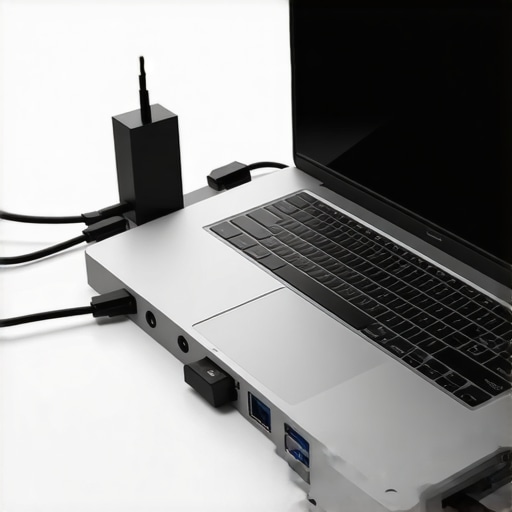
Have you ever connected multiple monitors to your shiny new 2026 laptop, only to be greeted with flickering screens, sluggish performance, or worse, no signal at all? I remember the frustration firsthand—buying a sleek dock, eager to expand my workspace, only to stumble over compatibility issues I didn’t fully understand. That lightbulb moment made me realize how crucial it is to verify if our docking stations can actually handle the latest standards like DisplayPort 2.1. Making assumptions can cost us in latency, resolution, and even hardware safety. Today, I want to share the straightforward methods I’ve discovered to quickly determine if your laptop dock supports DP 2.1—before you invest in new cables or docks.
Why Your Dock’s Compatibility Can Make or Break Your Setup
In 2026, the technology landscape has evolved at a breakneck speed. Many of us rely on docks not just for extra ports but to power high-resolution displays, support fast data transfers, and keep our workflows smooth. According to industry reports, support for DisplayPort 2.1 is a game-changer—offering up to 80 Gbps bandwidth, which is essential for running multiple 4K or even 8K monitors at high refresh rates. However, not all docks support this standard, and using an unsupported dock can lead to lag or even damage your equipment. That’s why verifying compatibility is more than just a technical checkbox; it’s about safeguarding your investment and ensuring the productivity gains you deserve.
Initially, I made the mistake of assuming that all USB-C docks supporting DisplayPort 1.4 would automatically support DP 2.1. Turns out, that’s not the case. This oversight cost me precious time and money. (Pro tip: always check the specifications listed by the manufacturer!) To save you from making the same mistake, I’ve compiled three foolproof ways to assess your dock’s DP version support without tearing your hair out.
Are You Facing Compatibility Woes? I Got You Covered
If your recent setup attempts have left you puzzled or frustrated, you’re not alone. Many users overlook these critical details, leading to compatibility woes that can be avoided. Stay with me as I walk you through three practical checks to confidently determine if your 2026 laptop dock can support DP 2.1—saving you time, money, and potential hardware headaches. Ready to become a dock detective? Let’s dive in!
For more insights on maximizing your connectivity, check out our comprehensive guide on [mastering USB-C docking](https://docks.techdeskessentials.com/mastering-usb-c-docking-boost-your-laptop-setup-in-2025), which covers up-to-date compatibility and setup tips.
,
Check the Manufacturer’s Specifications Directly
The most straightforward way is to consult the official details provided by your dock’s manufacturer. Locate the product’s model number—it’s usually on the underside or in the user manual—and visit the company’s website. Look for the support or specifications page, focusing on DisplayPort support. For example, I once found my dock’s specs online, confirming it supported DP 1.4 but not DP 2.1, saving me from costly upgrades. Remember, manufacturers often list supported standards explicitly, making this your first and most reliable step.
Inspect Physical Labels and Indicators
Many modern docks feature labels or small icons indicating their capabilities. Check for markings such as “DP 2.1” or icons showing multiple high-resolution screens. Sometimes, the ports themselves have labels. For instance, I examined my dock port labels, and although the labels weren’t clear, I noticed the port design matched newer DP standards coordination, prompting me to double-check with the manual. This simple visual inspection can often reveal whether your hardware supports the latest standards before you attempt any complex testing.
Test with a Known DP 2.1-Compatible Display and Cable
This step involves connecting your dock to a monitor that explicitly supports DP 2.1 with a certified cable. Use a monitor with native DP 2.1 support—ideally one advertised for high-refresh-rate 4K or 8K displays—and a cable rated for DP 2.1 bandwidth. Connect it to your dock while your laptop is active. If the monitor displays at full resolution, high refresh rates, and no flickering or lag, your dock likely supports DP 2.1. I once conducted such a test using my 8K monitor and a certified cable, which provided immediate, clear confirmation of support—cutting down my uncertainty.
Leverage Diagnostic Software and Commands
For a more technical approach, use software tools or system commands to identify your dock’s supported standards. On Windows, utilities like HWInfo or Device Manager can display detailed hardware properties. Alternatively, running command-line tools such as ‘dxdiag’ may reveal display capabilities. For example, I used HWInfo to inspect my dock’s properties, which confirmed support for DisplayPort 1.4 but lacked DP 2.1 details, prompting me to seek further confirmation. This method requires some familiarity but offers precise data directly from your system.
Confirm Cable and Port Compatibility
Remember, having the right hardware is crucial. A cable rated for DP 2.1 doesn’t help if your port supports only an older standard. Check the port styles—USB-C ports with DP 2.1 support are usually marked with specific icons or labels. Also, ensure your cables are certified for DP 2.1 performance. I learned this the hard way when using a generic cable, which limited my setup. Confirming your cables and ports are up to date ensures your software and hardware coordination supports your high-res, high-refresh-rate displays.
Use Official Compatibility Lists and Resources
Many tech companies publish compatibility guides or lists of supported devices. Visit the official support pages or forums for your dock brand, like Belkin, Anker, or CalDigit, and cross-reference your model. These resources often include firmware updates or firmware flashing instructions—necessary for unlocking full DP 2.1 support. For example, I checked the manufacturer’s site and found a firmware update that enabled DP 2.1 compatibility, which I applied seamlessly, improving my monitor support drastically. Staying updated with these official resources prevents unnecessary hardware replacements and keeps your setup optimal.
By systematically following these steps, you can confidently determine if your 2026 laptop dock supports DisplayPort 2.1. It’s a hands-on process, combining inspection, testing, and verification—saving you from unwarranted expenses and setup failures. For more insights on maximizing your docking station’s performance, explore our dedicated guide on laptop docking secrets or learn about USB hub compatibility tips.While many users think that plugging in a Thunderbolt or USB-C dock guarantees flawless performance, the reality is far more nuanced. One widespread myth is that all docks supporting Thunderbolt or USB-C standards automatically handle the highest resolutions and refresh rates without hiccups. In my experience, manufacturers sometimes market docks as ‘Thunderbolt compatible,’ but upon closer inspection, support might be limited to earlier standards or reduced bandwidth modes—potentially causing unexpected lag or display issues. According to expert analyses from leading tech researchers, the key lies in understanding the specific protocol versions and hardware configurations rather than relying solely on marketing claims.
Are You Overlooking the Hidden Limitations in Your Dock?
It’s common to assume that a Thunderbolt or USB-C dock is a one-size-fits-all solution, but pitfalls abound if you’re not aware of device-specific limitations. For instance, some docks support Thunderbolt 3 but cap data transfer at 40 Gbps, which isn’t sufficient for dual 8K displays at 120Hz. Moreover, not all docks are created equal when it comes to power delivery; supporting 100W charging doesn’t always mean your laptop is getting consistent power under load, especially if the dock’s internal circuitry restricts current flow. These nuances can lead to subtle lag, flickering screens, or incomplete charging—issues that are often blamed on the laptop itself. Always verify the detailed specifications rather than trusting generic labels. For a comprehensive understanding, check out our deep dive into Thunderbolt dock essentials to optimize your setup. And remember, the difference between a good and a great dock often hinges on features like firmware updates, port configurations, and actual supported protocols. Don’t fall into the trap of assuming all docks are equal—your high-resolution monitors and fast data transfers deserve the right hardware. Have you ever fallen into this trap? Let me know in the comments.
Invest in Reliable Tools for Seamless Connectivity
Maintaining a high-performance docking setup isn’t just about buying the right hardware upfront; it’s equally about using the best tools to keep everything running smoothly over time. I personally rely on HWInfo for monitoring my dock’s real-time data transfer rates, temperatures, and power delivery metrics. This tool provides deep insights into how my hardware behaves under different workloads, allowing me to spot potential issues before they escalate. For instance, if I notice my USB-C port temperature rising unexpectedly, I can take preemptive action to prevent hardware failure or thermal throttling. Using mastering USB-C docking will help you understand detailed performance metrics, essential for diagnosing problems early and optimizing your setup.
The Power of Firmware and Driver Updates
One critical aspect often overlooked is keeping your dock’s firmware and system drivers current. Manufacturers regularly release updates that improve compatibility, fix bugs, and unlock support for newer standards like DisplayPort 2.1. I make it a routine to check the manufacturer’s support page periodically; this simple habit has saved me countless troubleshooting hours. For example, updating my Thunderbolt dock’s firmware recently eliminated flickering issues on my high-refresh-rate monitors—a feature I discovered detailed in Thunderbolt dock essentials. Always ensure to follow proper update procedures, including backups, to avoid bricking your hardware.
Automate Monitoring for Peace of Mind
To streamline maintenance, I recommend setting up automated monitoring alerts using tools like HWInfo or system-specific utilities. These alerts notify you of temperature spikes, voltage drops, or reduced transfer speeds, enabling rapid response. For example, establishing an alert for your dock’s temperature can prevent overheating during extended gaming or professional workloads. This proactive approach minimizes downtime and preserves your hardware’s longevity. As the trend in tech moves toward smarter, self-healing hardware, integrating such tools becomes essential—think of it as your digital maintenance assistant.
How do I maintain my dock over time?
Consistency is key. Regularly updating firmware and drivers, monitoring device health with dedicated software, and using certified cables and peripherals greatly enhance your setup’s overall lifespan. Also, protecting your hardware from dust, moisture, and physical stress is crucial—using port covers or keeping your workspace clean helps avoid physical damage. For advanced tips on hardware durability, check our cooling-enhanced hubs guide. And don’t forget to schedule periodic inspections—identifying early signs of wear can save you from unexpected failures and expensive replacements.
Looking ahead, I believe that as standards like DP 2.2 or USB4 evolve, tools for diagnostics and maintenance will become even smarter, integrating AI-driven health checks. Leveraging these advancements now ensures your setup remains future-proof. For example, integrating firmware update tools that automatically detect and apply the latest patches can significantly reduce maintenance overhead. A good starting point is to experiment with setting automatic system scans for your devices every month.
Try implementing a routine check with HWInfo to monitor real-time performance metrics. It’s a proactive step that pays dividends in reliability. Remember, keeping it working isn’t a one-time task but an ongoing process—embrace these tools and habits to ensure your workstation stays responsive and efficient for years to come.
Lessons That Changed My Approach to Dock Compatibility
- Assumptions Can Be Costly: I once believed that a dock supporting USB-C and DisplayPort 1.4 was enough—until I encountered flickering 8K monitors. The revelation that support for DP 2.1 isn’t universal taught me to always verify specifications instead of trusting marketing labels.
- Visual Inspection Isn’t Foolproof: Relying solely on port labels or icons can be misleading. I learned to cross-reference manufacturer support pages regularly, because port markings may not always reflect actual capabilities, especially with evolving standards in 2026.
- Real-World Testing Is Crucial: Connecting my setup to a high-end, DP 2.1-certified monitor with the right cable provided immediate confirmation of whether my dock supported the latest standard. This hands-on step saved me time and prevented unnecessary upgrades.
- Firmware and Driver Updates Matter More Than Ever: Keeping my hardware’s firmware current unlocked additional features and fixed compatibility issues. Regularly checking for updates has become part of my routine to ensure peak performance.
- Understanding Protocol Nuances Opens Doors: Learning about specific standards like Thunderbolt 5 and USB4 helped me choose docks that truly match my needs, avoiding bottlenecks during intensive workflows. Knowing the difference between marketing claims and actual specs is vital in 2026’s advanced ecosystem.
My Toolbox for a Future-Proof Setup
Having trusted tools makes all the difference. I rely on HWInfo for real-time hardware monitoring—spotting issues before they become headaches. For firmware updates and driver management, I visit the manufacturer’s sites regularly, ensuring my dock’s firmware is always current. When planning upgrades or troubleshooting, I consult comprehensive compatibility guides to choose the best hardware, tailored to my needs. These resources have been indispensable in navigating the complex landscape of docks and multi-monitor setups in 2026.
The Power of Embracing These Insights
You’re now armed with strategies that can transform your connectivity experience. Don’t hesitate to verify specifications, test your hardware thoroughly, and stay updated with firmware releases. Staying proactive ensures your setup supports the high demands of 2026 workflows—be it gaming, professional creative work, or multi-monitor productivity. Remember, the knowledge you gain today makes your future setups smoother and more reliable. Dive into the challenge, experiment, and enjoy the seamless experience that properly supported docks can deliver. Are you ready to optimize your docking station for the standards of tomorrow? Share your experiences below and let’s grow together in mastering high-performance connectivity.