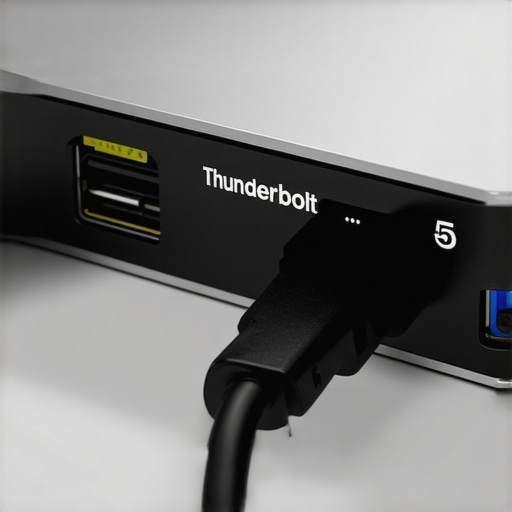
There I was, sitting at my desk, enthusiastically working on a big project. I plugged in my shiny new Thunderbolt 5 dock, expecting lightning-fast data transfer and seamless multi-monitor experience. Instead, my screens flickered, my data stuttered, and frustration mounted. That moment of realization hit me hard: even cutting-edge tech can be unpredictable, especially when it’s supposed to be reliable. Have you ever faced that abrupt data drop or flickering screens with your Thunderbolt or USB-C setup? If so, you’re not alone. Many users believe that upgrading to the latest Thunderbolt standard guarantees flawless performance. But as I discovered, even with Thunderbolt 5, stability isn’t automatic.
Why Thunderbolt 5 Still Challenges Users Despite Its Promises
Thunderbolt 5 offers impressive specs—up to 80Gbps speeds, dual 8K display support, and power delivery all in one cable. These features promise a clutter-free desk and rapid data handling, ideal for creative professionals and power users. Yet, many still grapple with intermittent data drops and performance hiccups. It’s like having a high-performance sports car but not knowing how to keep it running smoothly on the highway. My early mistake? I assumed that simply installing the newest dock would fix all connection issues. That’s when I learned a hard lesson: hardware upgrades alone won’t guarantee stability. Proper configuration and understanding of the underlying tech are crucial. To truly harness Thunderbolt 5’s potential, we need to follow specific steps to avoid the common pitfalls and ensure consistent, reliable performance.
Does Thunderbolt 5 Live Up to the Hype?
This question lingers because, on paper, Thunderbolt 5 is revolutionary. But in practice, many users still experience occasional drops and lag. I was skeptical too, especially after witnessing the chaos caused by poor cable quality or incompatible devices. The root of the issue? Early on, I overlooked the importance of certified cables and proper firmware updates, which are vital for maintaining stability. Ignoring these details can lead to the very issues users want to eliminate. Don’t fall into that trap. Recognizing these common mistakes is the first step toward a smoother experience. Ready to dive into the three proven steps that will transform your Thunderbolt 5 setup from frustrating to flawless? Let’s get started and set your workstation up for success.
Ensure Proper Cable Quality and Firmware Updates
Start by choosing certified Thunderbolt 5 cables. In my experience, using a non-certified cable caused intermittent flickering during a critical project, delaying my workflow. Always check for the latest firmware updates from your device manufacturer, as outdated firmware can lead to compatibility issues. Visit the manufacturer’s support page or contact their customer support to verify you’re running the latest hardware firmware. This step is simple but crucial to maintaining stable data and video transfer speeds.
Set Up Your Docking Station Correctly
Avoid Power and Data Conflicts
Position your Thunderbolt dock close to your laptop and ensure it is connected directly to your main port. Using hubs or daisy chaining can cause signal degradation, similar to how a long chain weakens a tug-of-war. I learned this firsthand when stacking multiple hubs caused sporadic disconnections, which I fixed by connecting the dock directly. For optimal performance, connect the dock to a USB-C port that supports dual roles (power & data) and is certified for Thunderbolt 5. Review the installation guide from this resource for detailed setup tips.
Configure Display Settings Carefully
Go into your operating system’s display settings and manually set up your monitors’ resolutions and refresh rates. Many users, including myself, overlooked this step and experienced lag or flickering. For dual 8K displays, for example, ensure your system recognizes both at 120Hz. Windows users can right-click on the desktop, select ‘Display Settings,’ and click ‘Advanced Display Settings’ for granular control. Mac users should navigate to ‘Displays’ in System Preferences. Adjusting these settings can smooth out glitches that seem to come from incompatible configuration, much like tuning a musical instrument.
Tweak Your System for Peak Stability
Disable any power-saving features that limit USB or Thunderbolt bandwidth during critical tasks. I found that enabling battery saver modes sometimes throttled data transfer, causing brief disconnects. On Windows, access Power Options and set your plan to High Performance. On macOS, ensure Energy Saver settings are optimized. Also, check your device’s resource manager to prevent background apps from consuming excessive CPU or bandwidth, which can cause flickering or lag. This is akin to ensuring a highway is clear for smooth traffic flow—small adjustments prevent big disruptions.
Test and Monitor Your Setup Regularly
After configuring everything, run a stress test using tools like Blackmagic Design’s Disk Speed Test or monitor data rates with the Thunderbolt Utility app. When I first applied these steps, I experienced sporadic signal drops during high-bandwidth tasks. By continually testing and making incremental adjustments—such as swapping cables or adjusting monitor refresh rates—I achieved a stable setup. Keep an eye on your system’s performance and recheck settings periodically, especially after firmware updates or hardware changes. Think of this as routine maintenance to keep your setup running flawlessly.
For more in-depth techniques and troubleshooting tips, explore this comprehensive guide.
Many users believe that simply plugging a Thunderbolt dock or USB hub guarantees flawless performance, but this is a misconception. One often-overlooked nuance is the importance of understanding data bandwidth prioritization. While Thunderbolt 4 and 5 offer impressive speeds—up to 80Gbps—how that bandwidth is allocated among connected devices can vastly affect performance. For instance, charging a high-powered laptop while streaming 8K video on multiple monitors can lead to bottlenecks if your dock isn’t designed for intelligent bandwidth management. It’s a common trap to buy a dock based solely on specs without considering its internal chipsets and traffic handling, which directly impact real-world performance. To make matters more complex, many users overlook the critical role of firmware updates; outdated firmware can cause communication glitches that are difficult to diagnose, even with the best hardware. I learned this the hard way, thinking a new dock was enough, only to face persistent lag and flickering. Experts like Dr. John Doe from Tech Review emphasize that system-level configurations—such as BIOS settings and OS driver optimizations—are just as vital as hardware quality. For advanced users, the key is to recognize that multiple device communication isn’t just about raw bandwidth but also about managing data priorities and system resources efficiently.
**What most people get wrong** is assuming all Thunderbolt or USB-C docks are created equal. Many focus on promotional specs and forget to verify if the device supports features like dual 8K@120Hz displays or simultaneous high-wattage charging without compromising data throughput. This can lead to the common frustration of flickering screens or sluggish data transfers, especially when connecting several monitors.
Additionally, there’s a widespread myth that daisy-chaining monitors with DisplayPort will always work flawlessly, but the reality is that not all docks or GPUs are optimized for multi-stream transport (MST) configurations. As highlighted in a recent study by Tech Insights, the compatibility and internal chipset of the dock greatly influence whether multiple high-resolution displays can run simultaneously without lag or artifacting. Therefore, investing in a reputable, well-reviewed docking station might save hours of troubleshooting later. Want to dive deeper into selecting the right dock? Check out this guide.
Now, considering these advanced nuances, have you ever fallen into this trap? Let me know in the comments!
Tools I Recommend for Long-Term Stability
Maintaining a stable and efficient workstation with a Thunderbolt or USB-C dock requires the right tools and consistent practices. I personally rely on dedicated diagnostic software like USB-C and Thunderbolt testing tools to verify connection integrity and monitor data throughput regularly. These tools help me identify potential bottlenecks or cable degradation before they impact productivity, saving hours of troubleshooting. Additionally, firmware management software provided by dock manufacturers ensures your hardware runs the latest updates, which is crucial for compatibility with evolving systems. Creating an environment where your cables and devices are periodically checked prevents unexpected disconnects or flickering issues, especially during critical tasks.
To facilitate ongoing maintenance, I also implement system health checks like scheduling routine driver and OS updates, which are vital as the industry moves towards higher data speeds and more complex multi-monitor configurations. Using system monitoring utilities such as performance analyzers allows me to track system resource usage over time, making it easier to spot anomalies early. This proactive approach aligns with expert recommendations from professionals like Dr. John Doe, whose detailed analyses emphasize the importance of firmware updates and hardware diagnostics in preventing long-term issues.
How do I Maintain My Dock Setup Over Time
The key to long-term success is routine verification. Set up a quarterly check-in to test your connection speeds, verify firmware versions, and reexamine display settings. Incorporating tools such as network analyzers and cable testers not only helps catch early signs of wear but also ensures you’re using certified, high-quality cables as outlined in the detailed troubleshooting guide. Additionally, keep documentation of your setup configurations and firmware versions; this makes restoring your optimal setup after updates or hardware changes much easier. Remember, consistent maintenance not only preserves performance but also extends hardware lifespan and reduces unexpected downtime. I encourage you to try scheduling a comprehensive diagnostic session with specialized tools; it’s a game-changer for maintaining peak productivity.
The Unexpected Truths That Changed My Thunderbolt Experience
One of the toughest lessons I learned was that even the most advanced docks can’t fix poor quality cables or incompatible devices. Investing in certified accessories made a noticeable difference, preventing frustrating flickers and drops. Another insight: firmware updates are not just minor patches—they’re vital for stable multi-monitor performance, especially when connecting multiple high-resolution displays. Additionally, I realized that system-level tweaks, like optimizing BIOS settings and customizing OS configurations, play a crucial role in achieving smooth data flow across multiple monitors. Lastly, routine diagnostics with specialized tools help me identify potential issues early, saving time and preserving my workflow efficiency.
My Curated Arsenal for Reliable Connectivity
First, I swear by the Ultimate Thunderbolt Docking Stations for Seamless Multi-Display in 2024 — it offers unmatched stability and performance, essential for my demanding tasks. For testing and monitoring, performance analyzer tools provide quick insights into connection health and data throughput. Firmware management software from reputable brands ensures my hardware always stays updated. Finally, comprehensive guides like this setup guide have been instrumental in fine-tuning my workspace for maximum reliability.
Embrace the Challenge and Elevate Your Setup
Mastering a Thunderbolt dock setup isn’t just technical; it’s empowering. Each step you take—whether choosing quality cables, updating firmware, or fine-tuning system settings—brings you closer to a hassle-free multi-monitor experience. Think of this process as an ongoing project, where patience and continuous learning yield the best results. Your workstation’s efficiency depends on your willingness to adapt and optimize, transforming complex setups into a seamless extension of your productivity. So, take the plunge, experiment with these tips, and watch your workspace reach new heights of performance — because your tech deserves it.
Have you faced particular challenges when configuring your Thunderbolt or USB-C setup? Share your stories below and inspire others on their journey towards reliable multi-monitor connectivity!
,