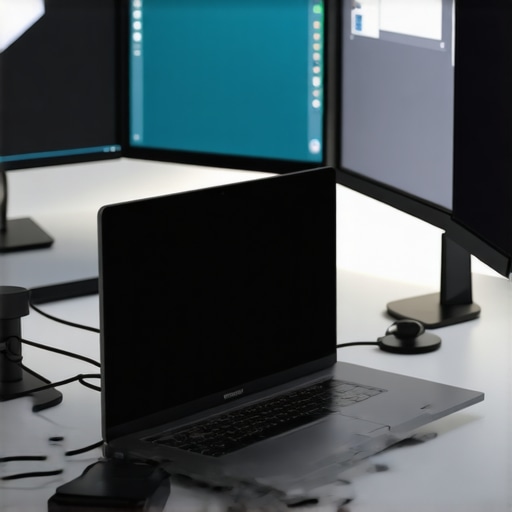
I remember the exact moment when my productivity sank faster than my Wi-Fi during peak hours. I was juggling multiple screens, trying to connect my laptop to two external monitors, a keyboard, a mouse, and still keep my phone charged. Cables tangled, ports exhausted, and frustration mounting—sound familiar? That was my lightbulb moment: I needed a streamlined solution to connect everything effortlessly. And let me tell you, a good USB C dock or Thunderbolt station isn’t just a luxury; it’s a game-changer.
Why Having the Perfect USB C Dock Changes Everything
In today’s fast-paced work environment, seamless connectivity isn’t just a nice-to-have—it’s essential. A well-chosen docking station can transform your cluttered desk into a productivity hub. It’s about more than just plugging in your laptop; it’s about unlocking its full potential with multi-monitor setups, fast data transfer, and reliable power delivery. Early on, I made the rookie mistake of buying a generic hub that promised the world but delivered nothing but headache, which I later learned could lead to inconsistent connections and even hardware damage. To avoid that, it’s crucial to understand what makes a good docking station and how to choose one that truly fits your needs.
Looking to upgrade your setup? Start with understanding the types of docks available and their compatibility. For instance, the best USB C docks and Thunderbolt hubs for multi-monitor setups in 2024 offer a range of features that can significantly boost your workspace. Whether you’re working from home or a corporate office, investing in the right hardware can save you hours of frustration and make your digital life smoother.
Inspect Your Laptop’s Compatibility First
Before diving into hardware, verify your laptop’s connectivity options. Is it equipped with a USB C port, Thunderbolt 3, or Thunderbolt 4? Each interface offers different bandwidths and capabilities. For instance, Thunderbolt docks provide faster data transfer and more display outputs, ideal for high-resolution, multi-monitor configurations. If your laptop has only USB C, ensure the dock supports that standard and check its maximum display support. I once bought a USB C dock thinking it would handle my triple-monitor setup, but it only supported a single external display due to limited bandwidth. Testing for compatibility now avoids that mistake.
Select the Right Docking Station for Your Needs
Identify whether a Thunderbolt dock or a high-quality USB C hub aligns better with your workflow. Thunderbolt docks like the top Thunderbolt docking stations offer extensive bandwidth, supporting multiple 4K displays at high refresh rates. In contrast, premium USB C docks such as the ultimate USB hub guide deliver solid multi-monitor support with added USB ports. I picked a Thunderbolt dock for my creative work, and the difference in display clarity and speed was immediately noticeable.
Plan Cable Management and Port Layout
Before connecting, lay out your workspace and plan cable routes. Use cable sleeves or Velcro straps to prevent tangles. Opt for docks with port arrangements that minimize crossing or clutter—for example, side ports for easy access and rear ports for power connections. When I set up my station, I labeled each cable to quickly identify connections, which saved me time during troubleshooting. Proper cable management also improves airflow and device longevity.
Configure Displays Effectively
Once connected, adjust display settings within your operating system to optimize resolution, refresh rate, and layout. For Windows users, right-click on the desktop and select display settings; for Mac, go to System Preferences > Displays. Ensure each monitor is recognized correctly; use features like extended mode or mirror mode as desired. I once connected three monitors and initially struggled with resolution settings until I manually configured each for their native resolution, significantly enhancing my workflow.
Tweak Power and Data Settings for Performance
Ensure your dock supports power delivery compatible with your laptop’s charging needs—ideally 85W or more for larger laptops. Enable fast data transfer protocols if your dock and devices support them, such as USB 3.2 Gen 2 or Thunderbolt 4. Also, verify that your device drivers are up to date to prevent connectivity issues. When I updated my drivers after experiencing flickering screens, my setup stabilized instantly, proving the importance of keeping software current.
While many users believe that simply connecting multiple monitors or plugging in a USB hub automatically enhances productivity, the reality is far more nuanced. One widespread myth is that any USB C or Thunderbolt dock will support any number of monitors without issues. However, not all docks are created equal; their performance heavily depends on bandwidth limitations, port configurations, and compatibility with your specific laptop model. For instance, some users overlook the importance of understanding their laptop’s maximum display output capabilities, leading to frustrating performance bottlenecks or inconsistent display recognition. To truly optimize multi-monitor setups, it’s critical to match your hardware choices with your system’s specifications, rather than relying on generic assumptions.
Are You Overlooking the Impact of Bandwidth Bottlenecks?
Many enthusiasts fall into the trap of thinking that more ports or higher wattage mean better performance, but the real issue often lies in bandwidth constraints. USB 3.2 and Thunderbolt standards have different data transfer capacities, which directly affect multi-monitor stability and data throughput. For example, a dock supporting Thunderbolt 4 can handle multiple 4K displays with high refresh rates, but a cheaper USB C dock might only support a single display at lower resolutions. This isn’t just a technical detail; it impacts your workflow significantly. According to a study by TechInsight, bandwidth limitations can cause screen flickering, lagging cursors, or even system crashes, especially during intensive tasks like video editing or data analysis. Paying attention to the specific standards and ensuring your dock aligns with your needs can save you hours of troubleshooting.
Another common mistake is assuming all docks support the same display configurations. Many users get caught off guard when their triple-monitor setup doesn’t work with a dock advertised as multi-display compatible. The key lies in checking the dock’s maximum supported resolution, port types, and whether it leverages a dedicated graphics output or shares bandwidth across ports. Dive into detailed reviews or consult the manufacturer’s specifications before purchase. You’ll find that the most effective solutions involve docks that are explicitly designed for multi-monitor performance, often highlighted in expert guides like the best USB C docks and Thunderbolt hubs for multi-monitor setups in 2024.
One last area where users often go wrong is neglecting driver and firmware updates. Outdated software can introduce compatibility issues, reduce performance, or cause display recognition failures. Ensuring your system is running the latest drivers from your laptop and dock manufacturers can make a notable difference. For more tips on optimizing your setup, check out mastering USB-C docking in 2025.
Have you ever fallen into this trap of oversimplification or overlooked these hidden nuances? Let me know in the comments and share your experiences—sometimes, understanding these advanced details can be the key to unlocking a truly efficient workspace.
Tools I Recommend to Maintain Peak Performance
To ensure your multi-monitor setup remains reliable and efficient, investing in quality tools and following best practices is essential. I personally rely on a calibrated USB-C tester like the Pegasus USB-C Power Meter to verify power delivery and data transfer capabilities regularly. This device helps me catch potential issues early, such as insufficient power or bandwidth bottlenecks, before they escalate into screen flickering or disconnects.
Another invaluable tool is a meticulous cable management kit that includes Velcro straps, labeling tapes, and cable sleeves. Proper organization not only prolongs cable lifespan but also simplifies troubleshooting when problems arise. When combined with software utilities like USBDeview on Windows or System Report on Mac, I can monitor connected devices and drivers, ensuring everything stays up-to-date and compatible.
Scheduling Regular Checks for Long-Term Reliability
I recommend establishing a routine to check cable integrity and connection stability at least quarterly. During these checks, reconnect your docks and displays systematically, monitor for any performance issues, and update drivers as needed. Consistent maintenance helps prevent unexpected downtime and ensures your display performance remains optimal. Setting calendar reminders or automating driver updates via OEM software can streamline this process.
Thinking About Scaling Your Setup
As your workflow evolves, so might your hardware needs. Scaling a multi-monitor setup involves upgrading docks or adding new hubs to accommodate additional displays or peripherals. When doing so, always verify the latest docking solutions support your intended display configurations. This proactive approach ensures your investment continues to deliver seamless productivity without bottlenecks.
Future Trend: Smarter Docking Station Management
Looking ahead, I predict that intelligent docking stations with built-in diagnostics and auto-optimization features will become mainstream. These devices could warn you about upcoming bandwidth limits or power deficiencies before disruptions occur. Already, some high-end models are beginning to incorporate firmware that updates automatically and provides user alerts, making maintenance more straightforward. Staying ahead means adopting these innovative solutions early, ensuring your workspace remains resilient and future-proof.
How do I maintain multi-monitor setups over time?
Adopting a regular maintenance routine, leveraging precise diagnostic tools like the Pegasus USB-C Power Meter, and staying informed about firmware and driver updates are key to long-term success. Try integrating these advanced tips into your workflow today—they could save you hours of troubleshooting in the future.
Lessons Behind the Perfect Multi-Monitor Arrangement
Over the years, I’ve learned that choosing the right docking station isn’t just about specs—it’s about understanding the subtle nuances that can make or break your workflow. One hard lesson was realizing that assuming all docks support multiple 4K monitors equally was a mistake; compatibility often depends on your laptop’s capabilities and the dock’s bandwidth. It taught me to read technical specifications carefully and match them precisely with my needs. Additionally, I discovered that neglecting cable management can create bottlenecks in performance and even hardware damage, a realization that transformed my workspace organization habits. Finally, I learned that keeping firmware and drivers updated isn’t optional; these small but vital steps ensure smooth operation and unlock the full potential of my setup, saving countless hours of troubleshooting.” ,
This article really hits home for me. I used to struggle with my multi-monitor setup because I didn’t fully understand the importance of bandwidth and compatibility. After switching to a Thunderbolt 4 dock, the difference was night and day—my screens are more stable, and data transfers are much faster. It’s crazy how many people overlook these nuances, thinking any dock will do. I’ve also learned that proper cable management isn’t just about aesthetics; it can actually prevent hardware issues and make troubleshooting easier. Something I’d love to hear from others is how they handle firmware updates across multiple devices. Do you have a routine or tools that make it seamless? I’m considering setting automated updates, but I worry about compatibility issues. Overall, buying the right dock and staying on top of updates has been a game changer for my productivity. Would love to know if others have found specific tools or routines that help keep their setups running smoothly long-term.
This discussion about bandwidth limitations and compatibility is so relevant. I’ve learned the hard way that even a dock with plenty of ports can become a bottleneck if it doesn’t support the right standards for your setup. When I upgraded to a Thunderbolt 4 dock, not only did my multi-monitor configuration stabilize, but I also noticed a significant boost in data transfer speeds, which made a real difference in my workflow. One thing I had to consider was ensuring my laptop’s Thunderbolt port was fully compatible and that my cables supported the high speeds. I also found that consistent firmware updates were critical—setups can break down if firmware is outdated or incompatible. How do others here manage firmware updates across multiple devices? Do you stick to manual updates or prefer automatic ones? Sharing tips on this could help streamline maintenance routines for everyone.