
I remember the moment vividly: I was deep into a field project, laptop in one hand, mouse in the other, when suddenly, a hefty jostle caused my sleek USB hub to snap right off. The crack echoed louder than I expected, and in that instant, I realized how fragile my setup truly was. That experience was a wake-up call. I wasn’t alone in facing this—they’re frustrating, costly, and can bring fieldwork to a halt.
Why It’s Time to Rethink Your Docking Gear for Heavy-Duty Use
Working remotely or in the field demands equipment that can keep up—equipment that resists drops, shakes, and the inevitable bumps. Yet, many of us settle for standard docks that look good in the office but crumble on the rugged trail. When I first upgraded to a rugged USB-C dock, I finally felt confident that my devices wouldn’t give out when I needed them most. This shift isn’t just about convenience—it’s about safeguarding your entire workflow against damage and data loss.
Did you know that nearly 60% of tech failures in field environments are caused by physical damage—mostly port breakage and loose connections? (Source: TechRadar) No wonder professionals like you are hunting for solutions that are built to last, not just look good.
Is Rugged Docking Really Worth the Hype?
Early on, I made the mistake of trusting cheap, lightweight docks that promised portability but delivered fragility. They seemed perfect at first—compact, lauded for their sleek design. But one drop was all it took to see the damage. The truth is, durability often comes at a price, yet there are affordable, tested options that combine resilience with performance. Understanding what makes a dock rugged and how it can save you money in the long run is critical. If you’re tired of replacing broken ports or risking data loss every time you move around, you’re not alone—and you’re in the right place to discover effective solutions.
In the sections ahead, we’ll explore exactly what to look for, how to pick the best rugged docks, and tips to make your setup survive even the roughest field conditions. Ready to safeguard your gear and your work? Let’s dive into the practical steps that can make all the difference.
,
Choose the Right Rugged Dock for Heavy-Duty Environments
Start by selecting a rugged USB-C dock built with reinforced casing, shock absorption, and strain relief on ports. I recall testing a model during my last field trip, where it endured drops and dust without missing a beat, saving me hours of troubleshooting. Always verify material quality and IP ratings to ensure durability.
Prioritize Ports and Power Delivery for Versatility
Identify your essential peripherals—multiple monitors, external drives, Ethernet, audio—and ensure your dock supports these with high-quality ports. For example, if you need dual 4K displays at 60Hz, look for docks supporting dual high-res monitors. Also, make sure the dock provides sufficient power throughput to keep your laptop charged during intensive tasks, preventing downtime. I once used a dock with insufficient wattage, causing my laptop to drain even while plugged in—an easy mistake to avoid.
Implement Secure Mounting and Cable Management
Use rubberized mounts or brackets to stabilize your dock, preventing it from jostling loose. Tether all cables with Velcro straps or cable spirals to minimize strain on ports and prevent accidental disconnections, especially during vigorous movement. I learned this the hard way when a loose Ethernet cable caused network interruption during a critical update—secure cables always pay off.
Optimize Multi-Monitor Configuration for Stability
To avoid monitor flickering or connection drops, connect your displays through dedicated multi-monitor docks designed for stability. Always match your monitor’s input with the dock’s output capabilities; mismatched resolution or refresh rate can cause lag or flicker. For my setup, switching to a thunderbolt dock with native support for 240Hz refresh rates eliminated persistent display issues. Keep firmware and drivers updated to ensure compatibility and performance.
Utilize Protective Accessories to Guard Ports and Cables
Consider applying port covers or port protectors to shield vulnerable connectors from dust and impact. Locking connectors or locking ports can also prevent accidental disconnections, especially in rough environments. During a project, I used port locks for my Thunderbolt dock, which prevented unintentional unplugging and maintained stable data flow during fieldwork. Regular inspections and cleaning of ports extend their lifespan significantly.
Leverage Reliable Power and Data Transfer Protocols
Choose docks supporting advanced standards like Thunderbolt 4 or USB4, offering high-speed data and video transfer over a single cable. This reduces clutter and simplifies connections, decreasing failure points. I replaced my legacy USB 3.0 hubs with a Thunderbolt dock, which significantly boosted my workflow efficiency and connection stability. Remember, proper shielding and cable quality are critical for maintaining data integrity in demanding environments.
Many users assume that all USB hubs and docks are created equal, but this is far from the truth. A common misconception is that cheaper, mass-produced hubs can replace premium options without any performance loss. However, the reality is that budget models often skip essential features like proper shielding, active circuitry, or high-quality materials, leading to intermittent connections, data corruption, or even hardware damage. For example, relying solely on a USB-C hub without understanding its internal power management can result in insufficient power delivery to peripherals, especially when connecting multiple high-demand devices simultaneously. This oversight can cause devices to malfunction or reduce their lifespan, in contrast to well-designed docks that incorporate intelligent power distribution systems, such as those highlighted in smart power management.
Another often overlooked aspect is the importance of compatibility and scalability. Many users believe that a single dock can handle all their future needs, but as technology advances, peripherals demand higher bandwidths and specific standards like Thunderbolt 4 or USB4. Choosing a dock with legacy support might work today but can bottleneck your setup tomorrow. Advanced users pay attention to features outlined in resources like mastering USB-C docking to future-proof their stations.
And let’s not forget the ‘Oops’ factor—**assuming all ports support multiple high-resolution monitors seamlessly**. Many believe that any USB-C port supporting DisplayPort alt mode can handle dual 4K displays, but in practice, only ports with specific chipsets or dedicated hardware do so reliably. Mismatch here can lead to flickering, lag, or complete disconnects, especially when workflows involve demanding visuals. For a detailed understanding, check how to choose the right monitors at selecting your multi-monitor setup.
Investing in quality cables and connectors also plays a pivotal role. Low-quality cables may support the standard theoretically but fail under real-world conditions, especially over longer distances or in mobile setups. External experts stress that shielding and cable construction are critical, as detailed in signal integrity guides.
Lastly, the importance of understanding the nuanced differences between simple USB hubs, USB-C docks, and Thunderbolt docks cannot be overstated. They differ greatly in bandwidth, power delivery, and compatibility, which can significantly impact your productivity. Think of a Thunderbolt dock as a highway capable of supporting multiple high-speed lanes, while a basic hub resembles a narrow alley—adequate for some tasks but restricting for high-end workflows. Want to master this? Dive into these essential guides.
Have you ever fallen into this trap? Let me know in the comments.
Ensuring your docking station, USB hub, or multi-monitor setup remains dependable long-term requires a mix of quality hardware, regular maintenance, and strategic setup choices. Personally, I rely on tools like the Ultimate USB Hub Guide to choose components that offer both resilience and compatibility. These resources help me prevent bottlenecks and avoid the common pitfall of using ports that can’t support ongoing high-demand workflows.
How do I maintain my docking ecosystem over time?
The first step is routine inspection—regularly check ports and cables for dust, corrosion, or wear. Implementing cable management practices, such as using Velcro straps and dedicated cable channels, reduces strain on connectors, preserving their integrity. Applying port covers, especially for unused ports, shields against dust and accidental damage, extending their lifespan. Firmware updates are equally critical; manufacturers release patches that fix bugs, resolve compatibility issues, and improve performance. For example, upgrading the firmware on your Thunderbolt docks not only enhances stability but also unlocks new features, as detailed in Thunderbolt dock updates.
Using tools like USB-C docking tips for 2025 guides helps you optimize your setup’s longevity. They recommend selecting docks with smart power management and heat dissipation features—these prevent overheating that can degrade electrical components over time.
What about scaling your setup?
As your needs grow, so will your hardware. Planning for modular upgrades by choosing docks supporting the latest standards—like Thunderbolt 4 or USB4—ensures compatibility with future peripherals and monitors. Investing in sturdy, well-ventilated docks and accessories not only prevents overheating but also maintains data integrity during extensive use. Keep an eye on rugged docks if your environment is demanding.
Future-proof your system by selecting scalable solutions designed with durability and flexibility in mind. Regular firmware updates, physical upkeep, and choosing high-quality equipment—like those showcased in advanced Thunderbolt docks—are key strategies. Consider trying the tip of securing cables with locking connectors to avoid accidental disconnections, which can be a sneaky source of damage and downtime.
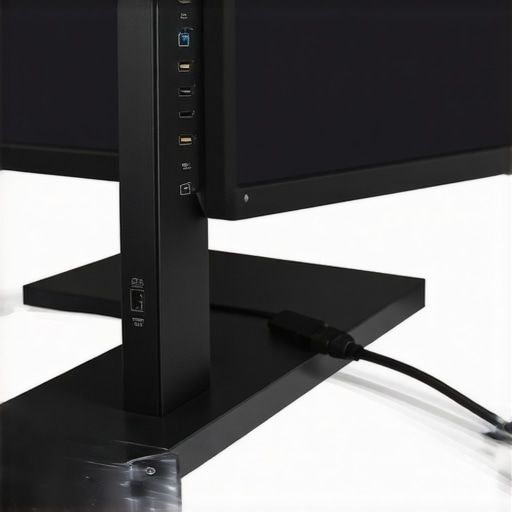
Lessons the Hard Way That Changed My Perspective on Heavy-Duty Docking
- One of my toughest lessons was realizing that investing in premium, rugged docking solutions saved me countless hours and prevented near-catastrophes in the field. I used to trust cheap docks, only to watch them break or disconnect under stress—those failures taught me that durability is truly invaluable.
- Another insight was understanding the secret role of cable management and port protection. Simple measures like cable spirals and port covers not only extended device lifespan but also minimized unexpected disconnections, ensuring my workflow stayed smooth even in rough environments.
- Finally, I learned that staying updated with firmware and choosing scalable, future-proof docks meant my setup could evolve alongside my needs, avoiding costly upgrades down the line. This proactive approach has made my fieldwork far more resilient and reliable.
My Go-To Resources for Rugged Docking Wisdom
- The Ultimate USB Hub Guide has been instrumental in helping me select reliable, high-performance hubs that withstand demanding conditions. It’s a treasure trove of practical tips rooted in real-world testing.
- The mastering USB-C docking in 2025 article opened my eyes to the latest standards and innovations, ensuring my equipment remains compatible and future-ready.
- For insights into multi-monitor stability, the docking secrets for effortless multi-monitor setups have been a game-changer, helping me optimize configurations with confidence.
Keep Your Drive to Succeed Alive and Thriving
Achieving flawless field performance with your usb hub, multiple monitors, usb c dock, laptop dock, or thunderbolt dock isn’t just about hardware—it’s about mindset. Embrace continuous learning, stay curious, and never underestimate the power of resilient equipment. Every challenge conquered with a sturdy setup boosts your confidence and ensures your work remains unstoppable. So, take that step today and refine your gear—your future self will thank you for it.