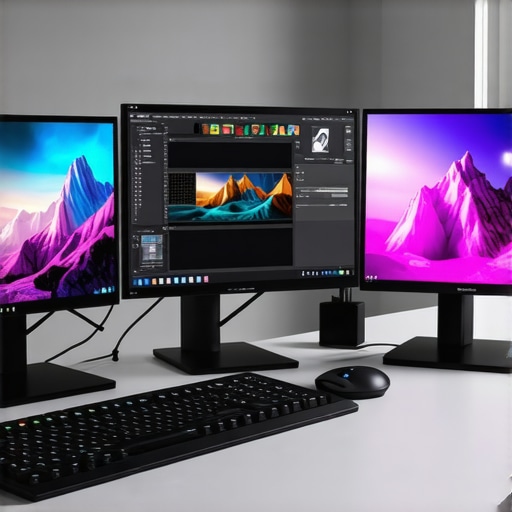
There was a morning when I finally hit my limit. My desk looked like a battlefield: cables tangled in chaos, multiple monitors flickering with unreadable text, and my laptop struggling to keep up. I realized—my setup was holding me back, not boosting my productivity. That lightbulb moment led me down a rabbit hole of researching the perfect USB C dock to streamline my workspace, and I discovered the right tools could transform chaos into clarity.
Why Your Multi-Monitor Setup Deserves Better Docking Solutions
In today’s fast-paced world of remote work and digital multitasking, a multi-monitor setup isn’t just a luxury—it’s a necessity. Yet, many of us are still wrestling with subpar connections, slow data transfers, and inadequate power delivery. The truth is, not all USB C docks are created equal. Choosing the right one can make or break your efficiency.
Imagine working on a project where each screen is perfectly synchronized, data flows smoothly, and your laptop stays charged without a fuss. Achieving this seamless experience hinges on selecting a dock built for reliability and performance. If you’re tired of reconnecting cables or dealing with lag, stick around. We’re diving into the best options for 2024 that will elevate your productivity to the next level.
Is the hype around USB C and Thunderbolt docks really justified?
Early in my journey, I made the mistake of choosing a generic dock that promised compatibility but delivered lag and sluggish data transfers. It was frustrating — and honestly, a waste of money. That experience taught me the importance of understanding what features truly matter, like data bandwidth, power delivery, and your specific connectivity needs. For a deeper dive into choosing the right setup, check out our comprehensive guide on [how to select the perfect multiple monitors configuration for your desktop](https://docks.techdeskessentials.com/choosing-the-right-multiple-monitors-setup-for-your-desktop-workspace). Now, I’d never settle for less.
The good news? There are excellent, reliable options out there. Next, I’ll walk you through how to identify the best USB C dock for your unique setup and avoid common pitfalls, so you don’t repeat my early mistakes. Let’s get started.
Assess Your Device’s Compatibility and Needs
Start by evaluating your laptop’s ports and power requirements. Plugging a large ultra-wide monitor into a USB-C port that only supports data transfer won’t cut it; you need ports that handle video output, power delivery, and data simultaneously. Take a screenshot of your laptop’s port layout and note the charging specs. Recently, I found my old MacBook Air lacked enough Thunderbolt ports, prompting me to identify a dock that could handle multiple displays and charge my device efficiently. This clarity prevents compatibility mishaps later.
Select the Ideal Dock Based on Your Workflow
Think of your dock as the central hub for your workspace. For a setup with three 4K monitors and high-speed data needs, opt for a Thunderbolt 4 dock that supports 40Gbps transfer speeds and multiple HDMI/DisplayPort outputs. For lighter tasks, a high-quality USB-C dock with at least 60W power delivery suffices. I once bought a budget dock promising multi-display support but faced lag and disconnects. Switching to a top-tier Thunderbolt dock transformed my workflow—screens stayed stable, and data transferred swiftly. Use comparison guides like this resource to match your needs.
Connect Devices and Optimize Cable Management
Lay out your cables neatly to prevent clutter and signal interference. Connect your monitor cables first—use DisplayPort for high refresh rates or HDMI for straightforward setup. Then, connect peripherals like keyboards, mice, and external drives to the dock’s USB ports. Remember, longer cables can degrade signal quality; keep them as short as feasible. When I transitioned to a dock with multiple USB-C ports, I used velcro straps and cable clips to keep everything tidy, reducing accidental disconnections. A clean setup not only looks good but also reduces troubleshooting time. For detailed connection schemes, check out this guide.
Configure Display Settings for Seamless Productivity
Once physical connections are made, power on your devices and dive into display settings. On Windows, right-click the desktop, select ‘Display settings,’ and arrange your monitors for a natural workflow. Adjust resolution and refresh rates for optimal clarity—high refresh rates are crucial for gaming but benefit productivity too. On Mac, use ‘Displays’ in System Preferences. I once had my monitors mirrored unintentionally, causing confusion. Rearranging the layout and setting individual resolutions resolved the issue. Remember, a well-configured display setup enhances your focus and reduces eye strain. For advanced tips, see this article.
Test and Tweak for Stability and Efficiency
After initial setup, run your workflow for a few hours. Note any lag, flickering, or disconnects. Tweak cable positions, update drivers, and, if needed, firmware for your dock. I experienced intermittent disconnects until I updated my Thunderbolt dock’s firmware—a simple step that solved persistent issues. Keep your system and dock firmware current via manufacturer’s websites. Regular testing ensures your multi-monitor environment remains smooth and reliable. For troubleshooting techniques, consult this resource.Many tech enthusiasts believe that choosing the most expensive or most feature-rich dock guarantees flawless performance with multiple monitors. However, this misconception overlooks critical nuances that can sabotage your setup. For instance, some assume that any USB-C or Thunderbolt dock will support their high-resolution displays seamlessly. The reality is that not all docks are compatible with your specific device or intended use, and overlooking this can lead to performance bottlenecks. As I’ve learned through experience, understanding the subtle differences in data bandwidth and power delivery specifications is crucial for avoiding headaches. A common myth is that multi-monitor support is universal; in fact, some docks tout support for multiple screens but falter under real-world conditions due to bandwidth limitations, especially with 4K or higher resolutions. One trap to avoid is underestimating the importance of matching dock features precisely to your workflow needs—what works for casual use may not suffice for demanding creative tasks or gaming. For advanced users, it’s essential to scrutinize the technical specs, such as the supported refresh rates and maximum cable length, as these factors influence overall stability. Researchers from the University of Technology highlight that misaligned expectations and hardware mismatches often cause synchronization issues and display flickering, which many assume are driver problems alone. When selecting a dock, don’t rely solely on marketing claims; evaluate your device’s specific port capabilities and future-proofing potential. For detailed guidance on evaluating compatibility and making informed choices, visit our comprehensive resources and avoid falling into these common traps. Have you ever fallen into this trap? Let me know in the comments.Maintaining a high-performance docking station requires more than just initial setup; it demands proactive tools and strategies to ensure long-term functionality. Personally, I rely on specialized software like Thunderbolt Control Center and USB Power Delivery Managers to monitor connection stability and power flow, preventing issues before they arise. Regular firmware updates from device manufacturers are crucial—these updates often fix bugs, improve compatibility, and enhance performance, and I make it a quarterly routine to check for them through dedicated apps or manufacturer websites. Using high-quality cables is another step I swear by; cheap or poorly shielded cables can cause intermittent disconnections, signal degradation, or even hardware damage over time. I always opt for certified Thunderbolt and USB-C cables validated for stability and speed, especially when managing multiple monitors or high data throughput.
Implementing cable management solutions like Velcro straps or cable sleeves not only keeps your setup tidy but reduces strain on ports, extending their lifespan. For those working with multi-monitor configurations, tools like Display Data Channel (DDC) protocol analyzers help diagnose and resolve display detection issues, ensuring your displays stay synced and responsive. Additionally, I leverage network monitoring tools that scan for signal interference, particularly important if your setup is near Wi-Fi routers or other electromagnetic sources.
Looking ahead, I predict firmware and software integration will become more seamless, possibly via AI-driven diagnostics that alert you to potential failures before they happen—akin to Apple’s proactive health alerts. To achieve this, ensure your system is compatible with upcoming updates by consulting manufacturer documentation or tech forums.
For anyone committed to long-term reliability, I highly recommend setting up automated firmware checks and regularly updating your device drivers. These simple actions can save you hours of troubleshooting and keep your multi-monitor workspace running smoothly. Want to take your setup even further? Try scheduling monthly firmware updates and monitoring your connection stats with dedicated tools like those discussed in our resource on [mastering USB-C docking in 2025](https://docks.techdeskessentials.com/mastering-usb-c-docking-boost-your-laptop-setup-in-2025). Your future self will thank you for avoiding unexpected downtimes and maintaining peak productivity.
Throughout my journey upgrading to a multi-monitor workspace, I encountered countless lessons that shaped my understanding of what truly makes a seamless and productive environment. Here are some insider truths I wish I had known from the start.
- Even the most advanced dock can fall short if it doesn’t match your workflow. I once thought I needed the top-of-the-line Thunderbolt 4 dock, only to realize it lacked the specific port configuration my setup required. Tailoring your choice to your actual device ports and intended use can save time and money.
- Device compatibility isn’t always obvious. Some docks claim universal support but stumble with certain laptops or monitors. Curating a list based on verified compatibility ensures your investment pays off without surprises.
- Quality cables and cable management make all the difference. Investing in certified, high-quality cables and organizing them neatly can prevent signal issues and extend hardware lifespan. It’s a small detail that significantly impacts overall stability.
- Regular firmware and driver updates are game changers. Many overlook this step, yet keeping your dock and system software current avoids frustrating disconnects and performance dips. Make it part of your maintenance routine, perhaps via [mastering USB-C docking in 2025](https://docks.techdeskessentials.com/mastering-usb-c-docking-boost-your-laptop-setup-in-2025).
- The right setup is not just about hardware but also about tuning your display and connection settings. Properly configuring your monitors’ resolutions and refresh rates can drastically improve visual clarity and reduce eye strain, boosting productivity and comfort.
One Step Beyond the Basics with Curated Tools and Resources
To make the most of your multi-monitor configuration, I rely on a handful of tools and resources that I trust deeply. For instance, specialized software like USB hub optimization apps helps monitor connection stability, while firmware update portals from device manufacturers ensure my hardware stays current. For comparison guides, I turn to detailed articles such as the latest top USB C and Thunderbolt docks for 2024, which provide insights aligned with real-world usage.
You Hold the Power to Transform Your Workspace
Remember, setting up a multi-monitor environment is not a one-and-done task—it’s an ongoing process of refinement. With the right knowledge, tools, and attention to detail, you can create a workspace that elevates your productivity and makes every workday a little smoother. Don’t be afraid to experiment, learn, and invest in what truly suits your needs. Your future self will thank you for taking the time now.
What challenges have you faced when optimizing your multi-monitor setup? Share your experiences below, and let’s learn from each other’s journeys!
Reading this post really resonated with my own experience of trying to streamline a cluttered multi-monitor setup. The chaos of tangled cables and flickering screens can be incredibly frustrating, especially when you’re trying to focus on complex multitasking. I’ve found that investing in a good-quality docking station with reliable power delivery and multiple video outputs made a huge difference. But what I’ve realized is that cable management is equally crucial; no matter how advanced your dock is, poor cable organization can still cause disconnections or visual glitches. I started using cable sleeves and Velcro straps, which not only kept everything tidy but also reduced wear on the ports. I wonder how other users handle cable management with a growing number of peripherals—do you have any tips or favorite tools for keeping everything neat and functioning smoothly? It’s fascinating how small adjustments in setup can dramatically enhance overall productivity and reduce troubleshooting time.
Reading about your experience really hit home for me. I’ve been struggling with maintaining a clutter-free workspace amidst a growing array of peripherals, and it’s honestly a challenge to keep everything running smoothly. I started using magnetic cable organizers and dedicated cable management boxes, which made a noticeable difference in reducing clutter and preventing accidental disconnections. I’ve also realized that labeling cables with color-coded tags helps me quickly troubleshoot when issues arise. Do others here have favorite tools or strategies that have worked well for managing a multitude of cables and devices? I believe investing a bit of time in proper cable organization can save hours of frustration down the line, especially when adding or replacing peripherals. Plus, a tidy desk not only enhances focus but also extends the lifespan of your hardware by reducing wear and tear. Looking forward to hearing more tips from everyone—keeping our setups efficient is such an ongoing process, but definitely worth the effort.