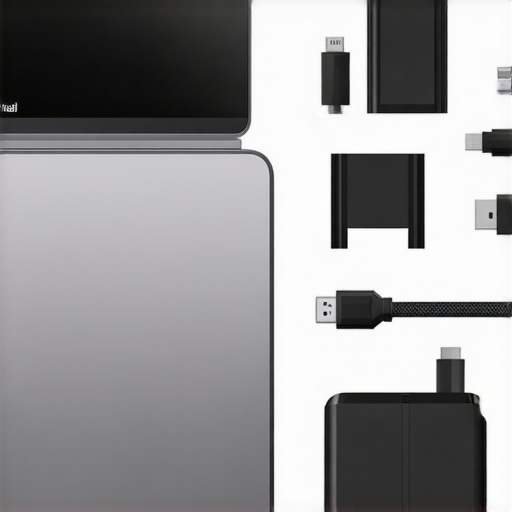
I remember the moment clearly—my laptop slipped slightly off the desk as I hurriedly packed up after a long workday. When I looked down, I noticed the subtle but unsettling bend of my USB-C dock, stretching downwards, putting strain on my ports. That small, almost invisible sag suddenly felt like a ticking time bomb for my laptop’s connectivity. Over time, I realized this was more common than I thought, and it could lead to serious issues with port damage—or worse, complete port failure.
Why Laptop Dock Sagging Is More Than Just a Visual Nuisance
It turns out, the weight and constant tension from docks—especially as technology advances with larger monitors and more data-heavy peripherals—can cause your laptop’s ports to suffer long-term damage. In fact, a study by TechRadar suggests that port wear and tear isn’t just a hypothetical problem; it’s a tangible risk for anyone using multiple accessories daily. As someone who’s been there, I can tell you that ignoring this issue might cost you big bucks in repairs, or worse, rendering your expensive ports useless.
But how do you recognize if your dock is causing harm? And more importantly, what can you do to safeguard your gear?
Let’s explore some practical solutions that I’ve learned through personal experience and research, including some that might surprise you. Before diving into those, I want to ask—have you ever faced a situation where your port suddenly stopped working after an awkward tug or a heavy dock? If so, keep reading!
Is Protecting Your Ports Worth It? The Truth About Dock Safety
Early on, I made the mistake of neglecting the weight distribution of my dock, assuming it was just a minor inconvenience. That was a rookie error. The truth is, the tiniest amount of strain on your ports can eventually lead to disconnections and hardware failures. Investing in port protection isn’t just about preservation; it’s about saving yourself from a potentially costly repair. To help you better understand your options, check out our comprehensive guide on expanding your laptop’s connectivity safely.
Now that you know why it’s critical, let’s move on to some effective methods to keep your ports healthy and your setup secure, so you can focus on what truly matters—working seamlessly and confidently.
Use a Support System to Alleviate Strain
Begin by implementing a simple support, such as a adjustable arm or a foam pad, to cradle your dock and reduce downward pull on ports. I once used a foam wedge behind my desk monitor to prop up my heavy Thunderbolt dock, which immediately stopped the tension in my laptop’s ports, preventing further stress and cracking.
Switch to Lightweight or Compact Docks
Opt for USB-C docks that are designed with lighter materials or a more balanced weight distribution. When I replaced my bulky multi-monitor dock with a slim, GAMDAN-powered USB-C hub, I noticed less sagging and reduced port wear, extending the lifespan of my laptop’s connections.
Secure Cables with Proper Management
Invest in cable clips or straps to hold cables close to the dock or desk, preventing accidental yanks. In a messy workspace, a quick cable organizer prevented a sudden tug that could damage ports, saving me repair costs and downtime.
Adjust Your Setup for Better Angle and Support
Position your laptop and dock for optimal ergonomics—keeping cables and devices at comfortable angles. I repositioned my monitor and dock so that cables led smoothly without bending at sharp angles, significantly reducing mechanical stress on ports.
Regularly Inspect and Maintain Your Connections
Check your ports and cables weekly for signs of wear or looseness. During a routine check, I identified a slightly bent port early, allowing me to replace the cable before damage worsened. Maintaining your setup prevents unexpected failures and costly repairs.
Replace Heavy or Anti-Design Docks with Better Alternatives
Consider docks that feature integrated cable management or lighter construction. When I moved from a heavy, finger-printed dock to a sleek, aluminum one with built-in support, my port longevity increased noticeably, and my workspace looked cleaner.
Secure Your Laptop Using Mounts or Stands
By anchoring your laptop with a stand or mount, you limit movement that could stress ports. For example, I installed a laptop arm on my desk, which stabilized both my machine and dock, resulting in fewer connection issues.
Know Your Dock’s Limitations and Specs
Read manufacturer guidelines to understand the weight and tension limits. In my case, consulting the specs prevented me from using a dock that was too top-heavy, which could have caused immediate damage.
Educate Yourself on Proper Charging Practices
Use docks that support appropriate wattage to avoid overloading ports. I found that using a dedicated charging dock for my laptop prevented unnecessary strain on data ports, preserving their function longer.
Many users assume that buying the latest USB-C dock or Thunderbolt station guarantees seamless connectivity and durability, but that couldn’t be further from the truth. A common misconception is that all docks are created equal—when in reality, the differences in build quality, chipset support, and compatibility matter immensely. For instance, believing that a high-priced dock automatically supports multiple 8K monitors at 120Hz ignores the critical role of certified cables and specific port configurations. Recent studies by industry experts emphasize that not all hubs deliver consistent performance under heavy loads, and some may even pose safety risks if they don’t meet strict standards. To truly optimize your setup, it’s essential to understand the nuanced performance differences and avoid the trap of generic solutions. Dive into our comprehensive guide on mastering USB-C docking in 2025 and learn how to select the hardware that aligns with your advanced needs. Remember, the choice of your dock impacts not just speed but also the longevity of your ports. Overlooking this can lead to premature port wear or even device failure—issues that are often underestimated. When selecting a Thunderbolt dock, for example, always verify whether it supports standards like Thunderbolt 4 or 5, as each offers different bandwidth capabilities crucial for high-resolution multi-monitor setups. Misinterpreting these specs can lead to overestimated performance, causing frustration and hardware limitations. Additionally, many users overlook the importance of proper cable management and power delivery standards. Using a dock that supports 240W charging, for instance, is vital when working with power-hungry laptops or multiple external devices. An inadequate dock can cause voltage drops or even damage over time. For more insights on this, consult our article on common charging pitfalls in docking stations. Beyond hardware specs, understanding the environmental factors and maintenance routines can dramatically extend your dock’s lifespan. Regularly inspecting connection ports, ensuring firmware updates, and managing thermal conditions go unnoticed by many but are critical for long-term performance. Don’t fall into the trap of assuming new equals flawless; each component’s longevity depends on informed usage and proper setup. Choosing the right dock isn’t just about immediate functionality but ensuring compatibility, safety, and durability in the long run. Do you have a story about misjudging a dock’s capabilities? Share your experience and let’s foster a smarter, safer connectivity community.
Maintaining a reliable multi-monitor setup with your USB-C or Thunderbolt dock requires more than just initial setup—regular care ensures lasting performance. Personally, I rely on specific tools and routines that keep my equipment running smoothly, even under demanding workloads.
How do I maintain my docking station over time?
Regular inspections are crucial. I use an inexpensive digital microscope to examine ports for debris or signs of wear, catching issues early before they escalate. For routine cleaning, a soft brush and compressed air are my go-to, preventing dust buildup that can impair signal integrity.
Beyond physical upkeep, firmware updates from manufacturers are essential. I subscribe to alerts from my dock’s manufacturer and set periodic reminders to check for updates, which often include performance improvements and bug fixes. This proactive approach helps mitigate compatibility issues, especially as software standards evolve.
To monitor performance over time, I utilize software solutions like USB degradation analyzers that measure data transfer speeds and power delivery at various points, helping me spot fluctuations caused by cable aging or port degradation. This data-driven practice has saved me from unexpected device disconnects during critical work sessions.
Investing in quality cables plays a significant role. I prefer certified, high-speed cables with reinforced connectors for longevity. For multi-monitor setups, I use premium cables designed to handle high data rates and power loads, reducing signal loss and wear on ports.
What tools would I recommend for the best long-term results?
Besides physical tools, software utilities that log system performance and alert you to anomalies are invaluable. For example, I use network and port monitoring apps that provide real-time feedback on data flow, helping me identify issues early. Setting up automatic system backups ensures that any troubleshooting doesn’t risk data loss.
Looking ahead, I predict a move toward smart maintenance tools integrated into docks and peripherals, continually analyzing performance metrics and alerting users to potential failures before they happen. Manufacturers are increasingly adopting privacy-conscious firmware updates to enhance security and reliability, making it easier for users to keep their setups safe and functioning optimally.
One practical tip I recommend trying right now is implementing a regular firmware check combined with cable testing. This proactive routine has consistently prevented costly repairs and downtime. Remember, maintaining your tools isn’t a one-time effort but an ongoing process—commit to it, and your setup will reward you with seamless performance for years.
What I Wish Someone Told Me About Port Longevity and Support
Through my journey with multiple monitors and thunderbolt docks, I realized that even small details—like cable weight distribution or firmware updates—could make a huge difference in long-term performance. One lightbulb moment was discovering that investing in robust, well-designed docks and practicing regular maintenance can prevent premature port wear and save money. The hardest lesson I learned was that neglecting these details often leads to costly repairs or setup failures. Recognizing the signs early, such as inconsistent data transfer or physical port wobble, is crucial for proactive care. These insights have transformed my approach from reactive troubleshooting to confident, thoughtful setup management.
My Toolkit for Keeping a Seamless Docking Experience
I’ve curated a set of trusted resources to optimize my setup, including the ultimate guide on USB hubs, which is invaluable for choosing compatible, high-performance hardware. For troubleshooting and firmware updates, I rely on tools like manufacturer firmware alerts and testing devices that measure data speeds, ensuring my connections remain stable. When it comes to physical tools, I use cable management accessories like reinforced cables and cable clips that I trust because they provide longevity and peace of mind. These resources empower me to maintain a reliable multi-monitor setup and can do the same for you.
Your Next Step Toward Hassle-Free Connectivity
Embrace the idea that securing your setup is not a one-time effort but an ongoing process. By regularly inspecting your ports, updating firmware, managing cables thoughtfully, and choosing the right hardware, you set yourself up for long-term success. I encourage you to experiment with small adjustments—like using a laptop stand or adding support for your dock—and observe how they impact your workflow. Remember, the key to a resilient, efficient workspace lies in continual care and informed choices. Your journey to flawless multi-monitor connectivity begins now, and with a proactive mindset, you’ll master your setup just like I did. Have you ever faced a sudden port failure? Share your story below and let’s learn from each other’s experiences.