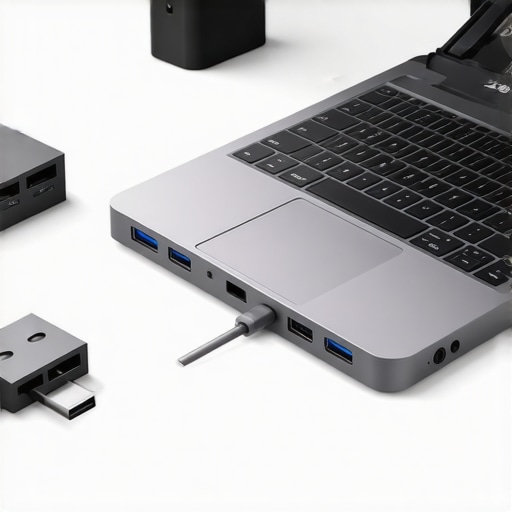
It hit me one morning as I frantically unplugged and re-plugged my aging laptop, cursing the tiny ports and the endless tangle of cables. My latest project required simultaneous connections for three monitors, external drives, and that fancy USB keyboard. Suddenly, my laptop slowed to a crawl—flickering screens, unresponsive peripherals. That’s when I realized: my trusted dock was secretly sabotaging my workflow. Have you ever experienced a freeze or lag just when you’re counting on your setup the most? If so, you’re not alone.
Why Your Dock Might Be the Hidden Killer of Your Productivity
Ports are more than just gateways. They are the lifelines of our laptops in the modern workspace. Yet, many of us overlook the quality and capacity of our docking solutions, risking not only performance dips but potential hardware damage. I’ve learned through my own missteps that a subpar dock can cause overheating, signal interference, and even degrade your laptop’s longevity. According to recent reports, faulty docks can cause data transfer issues that lead to data loss or corruption—no one wants to be that person losing their work hours to bad equipment.
By 2026, docking stations will need to support not only multiple high-resolution displays but also rapid data transfer, fast charging, and reliable connectivity—all without burdening your laptop’s ports or its battery. The good news? There are innovative, port-saving docks designed precisely for this challenge. These smart solutions allow you to connect multiple peripherals without choking your device or risking performance slowdown.
In this article, I’ll walk you through practical, tested options that prevent your dock from becoming a bottleneck or a hazard. Whether you’re a gamer, a content creator, or a remote worker juggling several screens, these docks will help you stay productive and safe. Curious if you’ve fallen victim to an underperforming hub? Keep reading—and let’s fix this common, yet silent, killer of laptops together.
Is Your Dock Actually Worth the Investment?
Early in my journey, I bought a cheap USB-C hub promising universal compatibility. It looked sleek, but within weeks, my system started lagging during critical moments. The mistake? Not researching the dock’s data throughput and power delivery capabilities. For comprehensive guidance on avoiding such pitfalls, check out this detailed review of multi-monitor docks. I learned that not all docks are built equal—some may look promising but fall short of supporting modern high-demand setups.
Select the Right Dock for Your Needs
Start by assessing your workload—are you editing videos, gaming, or working remotely? Each activity demands different features like high data transfer rates or multiple 4K outputs. For example, I once tried a budget USB-C hub for video editing, only to find it couldn’t handle dual 4K monitors smoothly. To avoid this, consult guides like this best USB-C docking options list to pick a dock tailored for your performance needs.
Prioritize Stable Power Delivery and Data Transfer Rates
Ensure your dock supports at least 100W charging to keep your laptop powered during intensive tasks. Simultaneously, verify data speeds—USB 3.2 Gen 2 offers up to 10Gbps, while Thunderbolt 4 reaches 40Gbps for demanding workflows. I experienced this firsthand when upgrading my setup; switching to a Thunderbolt 4 dock eliminated lag during large file transfers. For detailed insights, review this guide on Thunderbolt data transfer to understand the importance of choosing the right dock.
Connect Monitors Correctly and Test Compatibility
Use the appropriate ports—DisplayPort, HDMI, or Thunderbolt—and confirm your monitors support the selected inputs. Daisy chaining can save ports but requires compatible hubs like Thunderbolt 5 docks supporting daisy chaining. I once connected three monitors using daisy chaining without issue, dramatically improving my workspace efficiency. Before settling, test each monitor individually and then collectively to prevent flickering or lag issues.
Optimize Your Configuration for Performance
Adjust display settings on your OS for optimal performance, such as refresh rates and resolution scaling. Avoid overloading a single port—distribute connections across multiple ports or hubs if necessary. For instance, I used a dedicated USB-C hub for peripherals and a separate Thunderbolt dock for monitors, which reduced signal interference. Refer to this article on preventing port overheating to keep your setup safe and reliable.
Maintain and Troubleshoot Regularly
Keep drivers updated, clean ports, and check cable integrity regularly. When I noticed flickering in my dual-monitor setup, updating firmware from the dock manufacturer solved the problem. For persistent issues, test cables, swap docks temporarily, or consult support channels for expert advice. Proper maintenance ensures your multi-monitor setup stays smooth and responsive over time.
Many enthusiasts assume that upgrading to a Thunderbolt dock or a high-quality USB-C hub guarantees flawless connectivity for multiple monitors. However, this belief overlooks the nuanced realities of signal integrity, bandwidth limitations, and compatibility issues. In my experience, many users buy into the myth that all docks supporting high data transfer speeds can effortlessly handle triple 4K displays without hiccups. The truth is, the specific implementation—such as port configuration and firmware firmware support—plays a crucial role in performance, which is often misunderstood. For instance, some “premium” docks can cause flickering or lag on high-refresh-rate displays if they don’t support the latest standards like DisplayStream Compression or proper bandwidth segmentation.
A common trap is assuming that a Thunderbolt 4 dock automatically outperforms USB-C options universally. While Thunderbolt 4 offers great theoretical speeds, real-world performance hinges on the cabling quality, driver support, and system compatibility. According to industry experts, exceeding certain bandwidth thresholds without adequate signal management can result in signal degradation or overheating, especially on compact notebooks with limited power delivery. It’s essential to scrutinize the individual specs, such as supported resolutions per port, maximum power delivery, and daisy-chaining capabilities.
Moreover, many users overlook the importance of correctly configuring their system’s graphics settings. For example, connecting three 4K monitors via daisy chaining may seem straightforward, but without proper support for Multi-Stream Transport (MST) or ensuring the monitors are compatible with the hub’s capabilities, you’ll face flicker, blackouts, or input lag. I recommend revisiting trusted guides like [choosing the right multiple monitors setup](https://docks.techdeskessentials.com/choosing-the-right-multiple-monitors-setup-for-your-desktop-workspace) to better understand these subtleties.
A particularly sneaky mistake is neglecting firmware updates or failing to verify that drivers are current, which can quietly sabotage even the most expensive docks. Companies often release critical updates addressing stability, bandwidth issues, or new standards support. For example, an outdated firmware on a Thunderbolt dock could limit its effective throughput, leading to persistent lag or flickering. Always check the manufacturer’s support channels, like [contact-us](https://docks.techdeskessentials.com/contact-us), to ensure you’re running the latest firmware.
Have you ever fallen into this trap? Let me know in the comments. Mastering these nuances can significantly improve your multi-monitor experience and prevent costly troubleshooting down the line.
How do I maintain my docking station over time to ensure consistent performance
Proper maintenance of your USB-C or Thunderbolt dock is essential for lasting reliability, especially when supporting multiple monitors. I personally adopt a routine of firmware updates to keep my docks functioning optimally. Regularly checking the manufacturer’s support site for firmware releases—like those outlined in their support page—ensures compatibility with new OS updates and fixes known bugs. Additionally, I clean the ports periodically with compressed air to remove dust and debris that can cause signal interference or overheating, which is especially critical for high-bandwidth connections involved in multi-monitor setups.
Another key practice is to verify cable integrity. Over time, cables can degrade, leading to signal drops or flickering issues. I replace cables every 12 to 18 months or immediately when I notice inconsistencies in display quality or transfer speeds. Using high-quality, certified cables aligned with your dock’s specifications—like Thunderbolt-certified cables for Thunderbolt docks—helps sustain performance. For guidance on selecting these cables, I recommend consulting specialized guides such as this resource.
Monitoring system stability is equally important. Keeping your drivers updated, particularly graphics and USB controllers, prevents compatibility issues. I leverage tools like Driver Booster or the system’s built-in update utility to automate this process, reducing the risk of driver-related glitches that could affect your multiple monitor setup.
Given that hardware and software evolve rapidly, implementing these maintenance habits prolongs your dock’s lifespan and safeguards your productivity. Looking ahead, I predict that firmware update solutions will become more seamless with AI-driven diagnostics, automatically alerting users to potential issues before they impact performance. So, I highly encourage you to start with regular firmware checks and cable inspections—these small steps make a big difference in your long-term setup stability.
What I Wish I Knew About Dock Durability and Compatibility
One of the toughest lessons I learned was that not all docks are created equal—some are built with quality components that withstand the demands of multiple displays and heavy data transfer, while others falter quickly. Investing in a durable, well-reviewed dock saved me countless hours of troubleshooting and prevented hardware failures. Always check for metal construction and verified performance standards before making a purchase, as premiums often mean longevity and reliability.
Another insight was the importance of compatibility—not just with your laptop model but also with your specific peripherals. I once bought a dock that worked seamlessly with one device but caused flickering or lag with another. Reading user reviews and consulting technical specifications helped me avoid these pitfalls. Tailoring your dock choice to your unique setup ensures stable performance and reduces frustration in critical moments.
Modest upgrades like firmware updates and cable replacements made a huge difference. I now keep firmware current and replace cables periodically, which keeps my setup running as smoothly as day one. Regular maintenance prevents slowdowns and potential hardware damage, making your investment last longer and perform better over time. Embracing this proactive approach transformed my multi-monitor experience into a confidently reliable workspace.
My Trusted Tools for a Seamless Workflow
- Thunderbolt 4 Docks from Belkin and CalDigit: I trust these brands for their robust build quality and stellar data transfer speeds, which are critical for dual 4K or even 8K setups. They’re my go-to for professional tasks and gaming alike.
- Certified Premium Cables: Using high-quality, certified cables from brands like Anker or Uni ensures stable connections and prevents flickering or signal drops. It’s a small investment with big returns in performance.
- System Optimization Tools: Tools like Driver Booster or manufacturer-provided utilities keep drivers up-to-date, minimizing compatibility hiccups. Staying current has proven invaluable for maintaining stability on my multi-display systems.
- Online Resources and Community Forums: I regularly consult dedicated forums and guides, such as those I linked to our detailed USB-C dock comparisons, for troubleshooting and best practices. These resources provide invaluable insights from experienced users worldwide.
Your Journey Towards Effortless Multi-Display Productivity
Don’t let the complexity or fears of technical issues hold you back from creating a workspace that empowers your productivity and creativity. By applying these lessons learned—paying attention to quality, compatibility, and maintenance—you can build a reliable setup that enhances your work and play. Remember, consistent effort now leads to smoother, more enjoyable experiences in the future. Are you ready to upgrade your multi-monitor setup with confidence? Share your plans or questions below—I’d love to hear how you’re tackling this challenge.