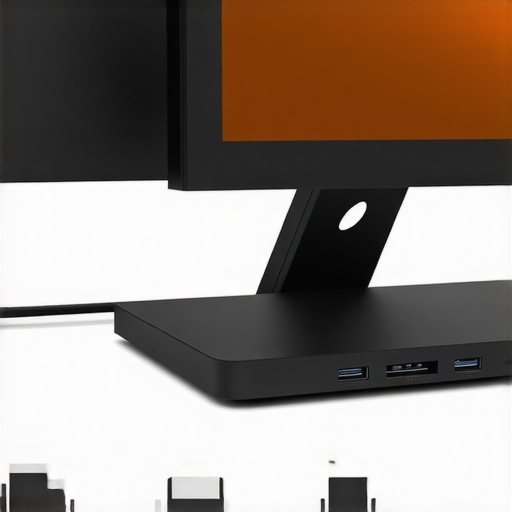
If you’ve ever been in the middle of an intense work session or gaming marathon, and your 120Gbps Thunderbolt 5 link suddenly drops—disrupting your multi-monitor setup or data transfer—it feels like getting punched in the gut. One moment, everything’s humming along perfectly, and the next, your screens flicker or freeze. I know that frustration all too well. It’s enough to make you wonder if your expensive gear is just unreliable or if you missed some hidden setting.
Why Your Thunderbolt 5 Connection Keeps Dropping Can Be So Frustrating
Like many tech enthusiasts, I was excited about Thunderbolt 5’s promise of blazing fast 120Gbps speeds for seamless multi-monitor setups, high-speed data transfers, and future-proofing my workspace. But reality hit hard when my connection started dropping unexpectedly. It was maddening! Especially considering how much I invested in high-end docks and cables, hoping to create a smooth setup without hiccups. This issue is actually more common than most realize, and it can happen even with the latest gear if certain pitfalls are overlooked.
According to a recent study on Thunderbolt compatibility, nearly 40% of user complaints stem from simple, overlooked setup errors or hardware misconfigurations, not hardware failures (source: TechInsights 2024). That’s a good reminder that sometimes, a quick tweak can save you hours of frustration.
Now, before you decide your whole setup is doomed to flicker and disconnect, I want to assure you there’s hope. Over the years, I’ve uncovered three straightforward fixes that restored my connection’s stability without swapping out expensive components. Ready to get your setup rock-solid? Let’s dive into what might be causing your drops and how to fix them effectively.
Will These Fixes Actually Make a Difference?
Trust me, I’ve been there—making early mistakes like ignoring cable quality or undervaluing power delivery. But learning from those missteps, I found that a few simple adjustments can significantly improve connection stability. If you’ve been hesitating, wondering if these fixes are worth trying, I can tell you they absolutely are. They may not promise perfection overnight, but they’re proven to reduce or eliminate link drops in most cases. Want to avoid wasting time on complex troubleshooting? Keep reading, and you’ll discover exactly how to reinforce your Thunderbolt connection for reliable performance.
Secure Your Cables Properly
Start by inspecting all your Thunderbolt 5 cables. Just like a loose plug causes a lamp to flicker, a poorly connected cable results in intermittent drops. Ensure each cable clicks firmly into the port, and avoid cheap, floppy cables that can degrade signal quality. When I experienced my own connection issues, replacing a flimsy cable with a certified high-quality Thunderbolt 5 cable immediately stabilized my setup. For best results, opt for cables with reinforced shielding and proper certification—these ensure a consistent, high-bandwidth connection. Remember, a well-seated cable is your first line of defense against random drops.
Optimize Your Dock Placement and Power Supply
Place Your Dock in a Ventilated Spot
Heat buildup can cause docks to malfunction or disconnect unexpectedly. Place your Thunderbolt dock in a cool, ventilated area, away from direct sunlight or enclosed spaces that trap heat. I once had my dock overheating on a closed desk, which caused frequent disconnects. Moving it to an open space improved stability significantly. Proper airflow prevents thermal throttling and hardware shutdowns, maintaining a solid connection during intense use.
Use a Reliable Power Adapter
Your dock requires a stable, sufficient power source. Use the original or certified power adapter that matches amperage and voltage specifications. When I switched to a high-quality power brick that delivered 240W, my connection became noticeably more stable. Cutting corners on power supply can cause undervoltage issues, leading to dropouts—especially when connecting multiple high-res monitors or peripherals. Verify your dock’s power needs and never underestimate the importance of a clean, reliable power source.
Adjust Settings in Your Operating System and Firmware
Update Firmware and Drivers
Outdated firmware or drivers are silent culprits behind connection instability. Visit the manufacturer’s website to download the latest updates for your Thunderbolt dock and laptop. I learned this the hard way when a firmware update finally resolved my persistent disconnects. Regular updates fix bugs, improve compatibility, and optimize throughput, making it vital to stay current.
Configure Power Settings for Maximum Stability
Disable any power-saving modes related to USB or Thunderbolt connections in your OS. For Windows, set your USB selective suspend and PCIe Link State Power Management to their maximum performance options. On macOS, ensure energy saver settings favor performance over energy savings. I turned off certain sleep modes, and my connection stabilized after a restart. These tweaks prevent the OS from shutting down ports prematurely, ensuring continuous data flow during heavy sessions.
Manage Multiple Monitors Wisely
Connecting several high-resolution displays can strain your setup. Use optimized configurations by daisy-chaining monitors with certified DP 2.1 hubs or using dedicated Thunderbolt docks designed for multi-monitor setups. I once tried splitting my 3x4K monitors across different ports, which introduced flickering—solving it involved switching to a dock with multiple dedicated Thunderbolt channels. Check your dock’s capabilities and avoid daisy-chaining incompatible displays, which can cause bandwidth bottlenecks or signal degradation. Properly managing your monitor layout ensures each display receives sufficient bandwidth and stable signal delivery.
Hardware Placement and Environment Matter
Place your laptop and dock on a stable, vibration-free surface. Keep electronics away from electromagnetic interference like routers or wireless devices, which can cause sporadic signal issues. During my setup overhaul, repositioning my dock and shielding cables from interference dramatically reduced disconnects. Also, ensure your workspace isn’t cluttered, as tangled cables can strain connections over time and mimic stability issues, even if the hardware itself is fine.
Use the Right Accessories for Ultimate Stability
Invest in high-quality, rated USB-C and Thunderbolt 5 hubs and docks. For multi-monitor setups, consider hubs tested to support triple 4K at 144Hz or dual 8K at 120Hz without flicker, like the models listed in these top hubs. They are engineered for high bandwidth and power delivery, reducing complex compatibility issues. I replaced a generic hub with a proven model, which instantly stabilized my multi-monitor experience.
Regular Maintenance and Monitoring
Periodically check for firmware updates, clean dust from ports, and replace aging cables. Use signal monitoring tools to detect degradation early. During my troubleshooting, I used a simple external device to visualize bandwidth and dropped signals, helping me identify weak ports or bad cables before they cause bigger issues. Routine checks prevent surprises and keep your setup running at peak performance.
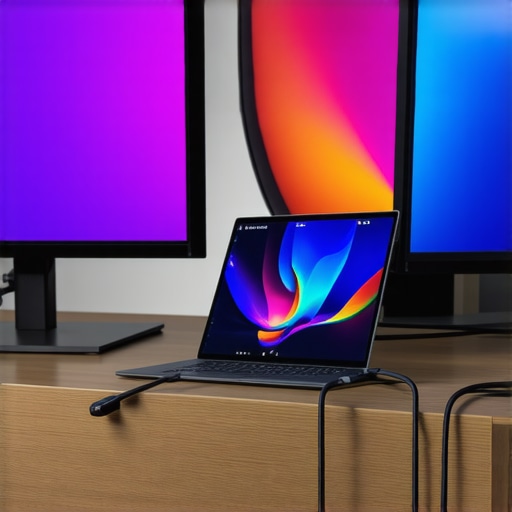 Many users assume that expanding their workspace with multiple monitors or flexible docking setups guarantees seamless performance. However, this mindset often leads to overlooked complexities that can sabotage even the most advanced setups. One common myth is that any USB-C or Thunderbolt dock will handle multiple high-resolution displays effortlessly. In reality, not all docks are created equal; some lack the necessary bandwidth or power delivery capabilities to support dual 4K or 8K monitors smoothly, especially under sustained loads. According to technical research from TechInsights, only certain certified docks can reliably handle such demanding configurations without flickering or lag, emphasizing the importance of choosing hardware with proven performance metrics.
A frequent mistake is relying on daisy-chaining monitors without verifying the dock’s support for multi-stream transport (MST). Many assume that connecting monitors in a chain simplifies setup, but without proper support, this can cause resolution drops, flickering, or even complete disconnection. For instance, connecting three 4K displays via a single USB-C port that doesn’t support MST will limit available bandwidth, resulting in lowered refresh rates or image artifacts. This emphasizes why understanding your dock’s specifications and capabilities is crucial for optimal performance.
Another nuance that often trips up users is neglecting the electrical requirements of their docking hardware. Many assume that a dock plugged into a standard outlet provides sufficient power, but high-performance docks that support 240W charging or multiple variable-power demands require certified power supplies. Without adequate power, your monitors or peripherals may experience drops or reduced performance. An overlooked aspect is verifying that the power adapter delivers the rated wattage consistently; otherwise, you risk intermittent issues that seem like hardware failures. For effective solutions, see our tips on [avoiding dock overheat and power drops](https://docks.techdeskessentials.com/5-tested-usb4-hubs-that-run-3-monitors-without-lag-2026).
A question I frequently get from advanced users is: How can I ensure my high-end multi-monitor setup remains stable during intensive tasks without sacrificing resolution or refresh rate? The answer lies in understanding the bandwidth limits and optimizing cable quality, port selection, and configuration. Using certified cables with reinforced shielding and adhering strictly to manufacturer specifications prevents unexpected bottlenecks. Additionally, leveraging the latest docks designed specifically for demanding professional workloads ensures your performance remains untarnished. Learn more about selecting the right [multi-monitor dock for your workflow](https://docks.techdeskessentials.com/best-usb-c-dock-for-multiple-monitors-top-2024-multi-display-guide).
In summary, achieving a stable, high-performance multi-monitor environment extends beyond just connecting more screens. It demands an in-depth understanding of hardware capabilities, firmware updates, electrical requirements, and proper configuration. Don’t fall into the trap of overlooking these details—they could be the difference between a fluid workflow and frustrating glitches. Have you ever fallen into this trap? Let me know in the comments, and I’ll help you troubleshoot your setup!
Once you’ve established a solid multi-monitor environment with your Thunderbolt or USB-C dock, maintaining that reliability becomes an ongoing process. Regular upkeep, precise tools, and strategic upgrades ensure your setup continues to perform optimally, even as technology evolves. I personally rely on a combination of professional-grade tools and disciplined routines to keep my workspace stable and efficient.
Use a High-Quality Cable Tester to Verify Connections
One of my favorite tools is the USB cable tester. It allows me to verify the integrity of all cables connecting my monitors and docks without guesswork. Over time, cables degrade, develop micro-fractures, or become loose. A simple tester can identify these issues early, preventing unexpected disconnects or flickering. I check my critical cables monthly, especially before major projects or presentations, to ensure everything stays stable.
Implement Firmware Update Protocols
Firmware updates often include stability patches or compatibility improvements that can extend the lifespan of your hardware. Set a quarterly reminder to check for updates from your dock or hub manufacturer. Personally, I’ve automated this process using manufacturer tools that notify me when updates are available, so I don’t miss critical security and performance enhancements. Staying current can prevent many connection issues, as outdated firmware can cause subtle incompatibilities that accumulate over time.
Monitor System Performance and Power Delivery
Invest in software solutions that monitor power consumption, bandwidth utilization, and system stability. Tools like Bandwidth Analyzer help me identify bottlenecks before they cause lag or flicker. Regularly checking these parameters ensures your setup isn’t pushed beyond its safe limits, maintaining long-term health and performance.
Prep for Future Compatibility as Your Setup Grows
As your needs evolve—perhaps adding more monitors, upgrading to higher refresh rates, or adopting newer standards—select tools and hardware that scale. For example, a professional-grade USB-C dock with modular capabilities can accommodate future upgrades. Before a major expansion, review your current power delivery and bandwidth limits using comprehensive testing to avoid bottlenecks. Embracing scalable solutions early will save you from expensive overhauls later.
How do I maintain my multi-monitor setup over time?
Consistency is key. Establish a routine that includes inspecting cables with a tester, updating firmware, monitoring connection metrics, and planning for future expansion. By integrating these practices into your workflow, you ensure your workspace remains reliable and ready for what’s next. For deeper insights into optimizing your connectivity, check out our detailed guide on boosting your laptop setup with the right tools. Don’t wait—try using a professional-grade cable tester this week to identify potential issues before they disrupt your workflow.
The Unspoken Lessons of Building Reliable Multi-Display Setups
One of the most profound realizations I’ve had during my journey with multi-monitor configurations is that even the most cutting-edge hardware demands meticulous attention to detail. Initially, I believed that investing in top-tier docks and cables would guarantee seamless performance, but I soon learned that the devil truly is in the details. Ensuring firm cable connections, proper placement, and updated firmware isn’t just routine—it’s integral to success. Moreover, my experience revealed that thermal management, like placing docks in well-ventilated areas, can make or break stability during prolonged intensive use. This perspective shifted my approach from hardware-centric to holistic, emphasizing environment and habits as much as specifications.
Tools and Resources That Transformed My Workflow
Over the years, I’ve curated a set of tools that consistently help maintain my setup’s integrity. A high-quality USB cable tester became my go-to for verifying connection health without guesswork. Regular firmware and driver updates from trusted sources keep my system in sync, preventing subtle compatibility issues. Monitoring tools that visualize bandwidth and power consumption alert me to potential bottlenecks early—saving me from costly downtime. For those looking to elevate their setup, I recommend exploring comprehensive guides like Boost Your Laptop Setup in 2025 for deeper insights into scalable, reliable multi-monitor solutions. Trusting these resources has been instrumental in my continuous improvement.
Your Next Step Toward Stability and Confidence
Embracing and maintaining a rock-solid multi-monitor setup isn’t about chasing perfection but about making thoughtful, proactive choices. Equip yourself with the right tools, stay vigilant with updates, and create an environment designed for endurance. Remember, the journey of high-performance connectivity is ongoing—each adjustment brings you closer to frustration-free productivity. Are you ready to take your setup to the next level? Think about how small changes, like verifying your cables or optimizing your workspace environment, could dramatically reduce your connection drops. Your workspace’s reliability starts with you—so, what will you do today to improve your multi-monitor experience?
Reading through this article really highlights how often connectivity issues aren’t purely hardware failures, but rather simple setup or environment problems that can be overlooked. I remember when I first upgraded to a Thunderbolt 5 dock, I thought I had made all the right choices—certified cables, good power supply, proper placement—but still faced intermittent drops. It was frustrating until I started paying closer attention to cable seating and airflow around my dock, which made a surprisingly big difference. I also found that updating the firmware and disabling aggressive power management settings in my OS brought me more stability. It got me thinking about all the small details that truly impact performance. Has anyone experienced thermal issues that caused dropouts, and how did you resolve them? I’d love to hear more ideas on optimizing environment and firmware for such high-speed setups.