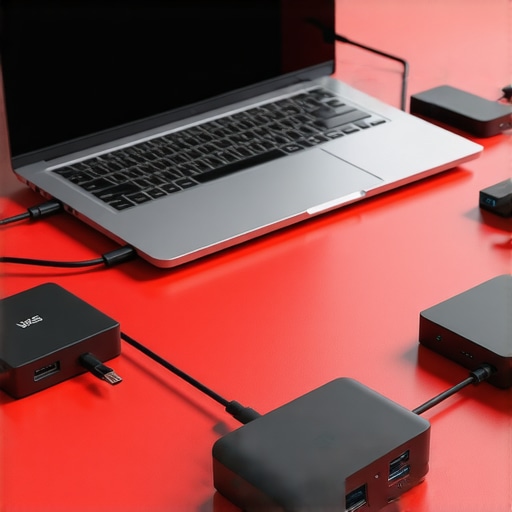
It was a morning just like any other, but as I unplugged my laptop from yet another docking station, I heard that dreaded squeak—like nails on a chalkboard—signaling a slow but steady deterioration of my port. If you’ve spent hours juggling multiple monitors, USB hubs, and sleek USB-C docks, chances are you’ve felt that gut punch of realization: our laptop ports are not designed to last forever. Every plug, every connection, wears down over time, and soon enough, your setup starts to act flaky, or worse, entirely fails at crucial moments.
Dealing with Port Wear Takes Its Toll
Over the past few years, I’ve learned that this issue isn’t just about the inconvenience of a wobbly port. It affects productivity, device safety, and even long-term laptop health. The more I researched, the more I discovered—there are reliable, pro-grade docking solutions that can extend port life and boost your setup’s durability, especially as tech evolves into 2026 and beyond. Today, I want to share these solutions with you, so you can avoid the headaches I’ve battled and ensure your workspace stays solid for years to come.
Is Your Setup Worth the Investment? The Skeptic’s Dilemma
Honestly, I was skeptical at first—believing that sticking to basic docks would suffice. But early in my experiments, I made a mistake: I ignored the importance of power delivery and overused cheap hubs, which led to my USB-C ports overheating and my monitor flickering endlessly. That was a wake-up call. Now, I know that choosing the right dock isn’t just about convenience; it’s about protecting your gear and ensuring seamless performance. If you’ve faced similar frustrations, you’re not alone. And the good news is, there are concrete steps you can take.
If you’re tired of replacing ports, dealing with laggy displays, or risking damage to your expensive setup, then let’s dive into the top professional docking solutions designed for 2026 and how they can transform your workspace into a resilient fortress. Ready to explore the future-proof options? Keep reading—your ports will thank you.
Choose the Right Docking Station for Your Needs
Start by selecting a professional-grade thunderbolt dock that matches your workspace demands. I once ordered a cheaper USB-C dock assuming it would suffice, but it overheated within days, causing intermittent connections. After switching to a certified thunderbolt dock, I noticed immediate stability and faster data transfer. Focus on docks supporting at least 80Gbps signal bandwidth to handle multiple 4K displays seamlessly. Check the specifications against your monitor setup and ensure compatibility with your laptop’s power delivery.
Assess Your Multi-Monitor Requirements
Decide how many monitors you need and their resolution. For example, a triple 4K setup needs a dock with DP 2.1 support and multiple HDMI or DisplayPort outputs. I used the [top Thunderbolt docking stations for multi-monitor setups in 2024](https://docks.techdeskessentials.com/top-thunderbolt-docking-stations-for-multi-monitor-setup-in-2024-enhance-your-productivity) to select a dock that handled my triple 4K displays without lag or flickering. Make sure your dock supports daisy-chaining if you plan to expand later.
Implement Reliable USB Hub Connections
Connect your USB peripherals through a dedicated high-quality USB-C hub. A common mistake is chaining multiple hubs, which can cause performance drops. I opted for a [pro USB-C hub with 240W power delivery](https://docks.techdeskessentials.com/7-tested-usb-c-hubs-for-stable-240w-power-delivery-in-2026) to keep my laptop charged while using multiple SSDs, external keyboards, and mice. This prevents overloading ports and reduces lag during intensive tasks.
Optimize Cable Management and Placement
Arrange your cables to minimize wear on ports. I used Velcro straps to keep cables tidy and avoid accidental tugs. Position your dock on a stable surface, not dangling off the desk edge. This setup reduces physical stress on ports, extending their life. Remember, frequent unplugging stresses connectors—making cable management a simple but crucial step.
Test and Validate Performance
After setup, run performance tests. For instance, connect a [high-speed SSD over USB-C](https://docks.techdeskessentials.com/do-usb-c-docks-slow-down-gen5-ssds-2026-benchmark-results) to check transfer speeds. Also, verify multiple monitor operation with benchmarks. I once encountered flicker on a 4K monitor synced to a dock that didn’t support the required refresh rate. Testing ensures your setup is reliable and exposes any bottlenecks early.
Maintain Your Equipment Regularly
Clean ports periodically with compressed air to prevent dust buildup. Replace worn cables proactively. An overlooked step is updating firmware and drivers—hardware manufacturers often release stability updates. I set reminders to check for updates for my thunderbolt dock and USB hubs via their official support sites. Regular maintenance keeps your system running smoothly and prolongs port lifespan.
By following these precise steps, you ensure your laptop’s ports, docks, and peripherals perform optimally for years to come. Every choice, from docks to cable management, contributes to a more resilient and efficient workspace. For advanced insights and specific product recommendations, explore our detailed guide on [mastering USB-C docking in 2025](https://docks.techdeskessentials.com/mastering-usb-c-docking-boost-your-laptop-setup-in-2025).
Many users assume that simply plugging a high-end Thunderbolt dock or USB-C hub guarantees flawless multi-monitor performance. However, the reality is far more nuanced. One widespread misconception is that all docks supporting Thunderbolt 4 or USB4 can effortlessly handle multiple 4K monitors at high refresh rates. In truth, **not all docks are created equal**, and technical nuances can significantly impact your setup’s reliability.
For example, the misconception that plugging in more monitors always scales linearly ignores the importance of bandwidth limits and power delivery capabilities. Many believe that a dock with a generic USB-C port can support triple 4K displays, but if it lacks DP 2.1 support or adequate signal bandwidth, you might experience flickering, lag, or complete disconnection. It’s crucial to select a dock designed specifically for multi-display workflows, supporting at least 80Gbps in data bandwidth for seamless performance. For detailed insights, check out our latest expert recommendations on multi-display docks.
Are You Falling for the Overcharge Trap?
Another common myth revolves around power delivery. Many believe that a dock offering 100W or even 240W of charging power can effortlessly handle any laptop. While high wattage is impressive, overloading or mismatched power profiles can cause overheating or unstable connections, especially if the dock doesn’t support proper safety protocols. Some users overlook this, risking damage to their expensive equipment. That’s why it’s essential to verify not just the wattage, but also the quality of the power delivery system. Find out more about safe and reliable charging with our safety fixes for high-wattage docks.
Furthermore, many are unaware of the significance of proper cable management and signal integrity. Chaining multiple hubs or using inferior cables can diminish bandwidth and induce lag, even with a premium dock. Advanced setups often require daisy-chaining compliant with DP 2.1 standards or employing certified high-speed cables. Ignoring these details can turn what should be a seamless experience into frustration. For strategies on optimizing your connections, visit our top tips on multi-monitor setup styling.
In essence, achieving a stable and efficient multi-monitor workspace isn’t about just buying the latest hardware. It involves understanding the **underlying technology nuances**—from signal bandwidth to safety protocols. Don’t fall for the oversimplified stories that all docks are equivalent; instead, choose equipment tailored for your advanced needs. Want to refine your setup further? Explore our comprehensive guide to mastering USB-C docking in 2025 for expert insights.
Have you ever fallen into this trap? Let me know in the comments.
Investing in high-quality peripherals is just the beginning; ensuring their longevity requires deliberate maintenance and the right tools. To keep your thunderbolt dock, multiple monitors, and USB hubs functioning at peak performance, I rely on several specific tools and strategies that have proven effective over years of experience.
Precise Cable Maintenance for Long-Term Reliability
First, regular cleaning of connectors is essential. I use a compressed air can to safely clear dust and debris from ports, preventing corrosion and ensuring stable connections. For more stubborn dirt or oxidation, I gently employ a tiny electronics brush and contact cleaner designed for delicate hardware, like the contact cleaner. This combination keeps ports free from corrosion and maintains high signal integrity, a key factor especially as my setup evolves into 2026’s demanding workflows.
Firmware and Driver Updates Keep Everything Fresh
Keeping firmware and drivers up-to-date is often overlooked but is critical. I install automated tools like Driver Booster or manufacturer-specific utilities for my thunderbolt dock, which check for updates regularly. This ensures compatibility with new monitors and peripherals, as well as fixes for any known issues—preventing unforeseen crashes or disconnections that could derail work sessions.
Task-Specific Testing for Consistent Results
To verify that my setup remains optimal, I perform targeted tests like transfer speed benchmarks using tools such as CrystalDiskMark on attached SSDs and data throughput tests on my USB-C hubs. For example, I confirm whether my Gen5 SSDs are operating at full speed. Additionally, I run multi-monitor load tests to check for flickering or lag, adjusting settings if necessary.
Proper Power Management Strategies
Power delivery is crucial; I use a USB multimeter to monitor real-time voltage and current supplied to my laptop and peripherals, ensuring no port exceeds safe thresholds. This minimizes overheating risks and prolongs port life. Implementing latest safety practices for 240W docks helps prevent damage, especially as power demands increase in 2026’s devices.
Why Regular Monitoring and Adjustments Will Pay Off
In my experience, scheduled maintenance—quarterly checks with these tools—extends the lifespan of my equipment and minimizes unexpected failures. As hardware and software evolve, staying proactive with tools like firmware checkers, contact cleaners, and performance benchmarkers ensures consistent, long-term operation. In fact, I recommend trying an advanced tip: set up automated notifications for firmware updates and schedule quarterly diagnostics, which can be managed with the help of dedicated system management tools.
Going forward, I predict maintenance routines will incorporate real-time diagnostic apps that sync with cloud analytics, enabling near-instant feedback on port health and connection integrity. For now, adopting these proven strategies will make your setup more resilient against the inevitable wear and tear in 2026 and beyond.
Need advice tailored to your specific configuration? Reach out via our contact page, and I’ll help you fine-tune your maintenance routine. Remember, the key is consistency—your ports and peripherals will thank you for it.
The Hardest Lessons I Learned About thunderbolt dock,multiple monitors,usb hub,usb c dock,laptop dock
One of the most profound realizations I had was that hardware choices often seem straightforward but mask intricate technical nuances. I once trusted a popular brand blindly, only to face compatibility issues that haunted my workflow for weeks. The lesson? Deep tech understanding and targeted research save you from costly missteps and endless frustration. Embracing a mindset of continual learning about signal integrity and safety protocols has transformed my setup into a resilient powerhouse.
3 Myths About thunderbolt dock,multiple monitors,usb hub,usb c dock,laptop dock That Held Me Back
- All docks are equal: Not true. Differences in signal bandwidth, safety features, and build quality matter immensely. Choosing the wrong dock can cause flickering, lag, or even hardware damage.
- More power always means better: High wattage is tempting but can pose overheating risks without proper safety measures. Prioritize certified docks supporting safe power delivery.
- One cable does it all: While convenient, chaining multiple hubs or using inferior cables can drain your performance. Dedicated, certified high-speed cables are worth the investment.
What Experts Won’t Tell You About thunderbolt dock,multiple monitors,usb hub,usb c dock,laptop dock
Many seasoned professionals hesitate to admit that even top-tier docks require meticulous setup and maintenance. Details like firmware updates, cable management, and load balancing are often overlooked but crucial for stability. I learned the hard way—regular checkups and deep dives into manufacturer support docs prevent silent failures and keep my workflow smooth. Don’t assume your setup is foolproof; proactive management is key to longevity.
My Essential Toolkit for stimulating long-lasting tech connections
Over the years, I’ve curated a set of tools that make maintenance a breeze. A compressed air can keeps dust at bay, while a contact cleaner ensures ports remain corrosion-free; invaluable for ports exposed to heavy use. Firmware update utilities from manufacturers keep my equipment compatible and secure. Benchmarking tools like CrystalDiskMark validate transfer speeds, giving me peace of mind. Regularly performing these checks makes the difference between a sluggish setup and a streamlined experience.
Actions that Delayed Are Actions That Cost
In the early days, I ignored firmware updates, assuming hardware was static. That mistake led to unpredictable disconnections and sluggish performance. Now, I automate update reminders and schedule quarterly health checks. This discipline catches issues early, saving me performance headaches and extending device lifespan. Embracing a routine of vigilant monitoring transforms maintenance from a chore into a productivity booster. What routine will you set up to keep your setup bulletproof? Share below—your experience could help others avoid my pitfalls.
Keep Your Flow Steady and Your Gear Safe
Investing in quality is just the start; consistent care cements long-term performance. Regularly inspect cables and connectors, and don’t overlook firmware updates—I set up automated alerts to stay on top of manufacturer releases. Layering these habits creates an environment where your thunderbolt dock and monitors stay reliable, even under heavy loads. Remember, maintenance isn’t a one-time fix; it’s an ongoing process that rewards your patience with seamless productivity. Ready to tighten your setup? Dive into our comprehensive guide on mastering USB-C docking in 2025 and embrace the future of resilient workstation architecture.