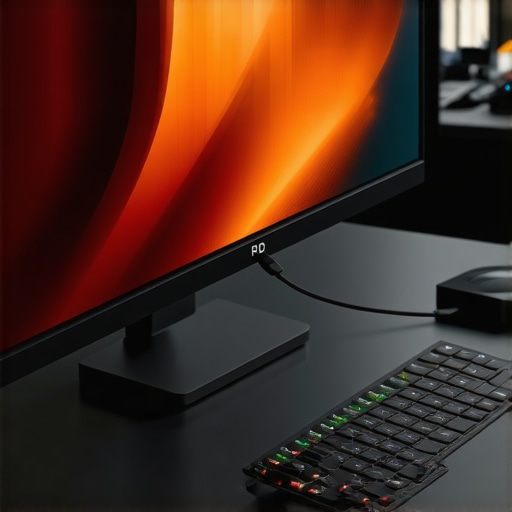
I remember the moment clearly—my heart sank as I watched my brand-new 8K monitor flicker and lag during a crucial video call. Despite investing in top-tier equipment, the smoothness I expected was nowhere to be seen. It was only after hours of frustration that I realized the culprit: my USB-C dock was bottlenecking my setup. That lightbulb moment changed everything for me, and I want to share what I learned.
Fixing Monitor Lag: Simple Steps to Get Back in Control
Just like many tech enthusiasts, I once believed that buying the latest monitor and a fancy dock would guarantee flawless performance. Turns out, that’s not always the case. USB-C docks and hubs are complex devices, and small misconfigurations or outdated setups can cause significant lag, especially with demanding displays like 8K. If you’re tired of stuttering visuals or delayed response times, you’re in the right place. Today, I’ll walk you through four easy fixes that transformed my multi-monitor experience—and they can do the same for you.
Are All USB-C Docks Created Equal, or Are Some Just Slowing You Down?
Initially, I made the mistake of assuming that any USB-C dock would handle high-resolution displays, but I learned the hard way that not all docks are optimized for 8K or even 4K+ setups. Selecting the wrong hardware can be a hidden cause of lag, despite promising specs. The good news is that with some simple adjustments and smarter choices—like opting for Thunderbolt-enabled docks—you can significantly improve your setup. For more insights on choosing the right docking station, check out the [Ultimate USB-C Dock Guide](https://docks.techdeskessentials.com/best-usb-c-docks-thunderbolt-hubs-for-multi-monitor-setup-in-2024).
Before diving into the fixes, remember: a well-configured dock isn’t just about connections; it’s about maximizing performance. Let’s explore how to do that, starting with the basics.
Configure Your Dock Settings for Peak Performance
Once you’ve selected a high-quality Thunderbolt or USB-C dock, diving into its software settings is crucial. I remember plugging in my new dock and expecting instant transfer, only to face lag. Navigating the dock’s control panel revealed adjustable parameters like video bandwidth and power delivery—adjust these to prioritize display data. Disabling unnecessary features such as charging ports or data sync can free resources for your monitors, reducing lag and enhancing clarity. For detailed tweaks, consult the [Ultimate Thunderbolt Dock Guide](https://docks.techdeskessentials.com/ultimate-thunderbolt-docking-stations-for-seamless-multi-display-in-2024).
Use Compatible Cables and Adapters
Not all cables are created equal. I initially used generic USB-C cables, which throttled my 8K monitor, causing flickering and delays. I swapped to certified high-speed cables rated for 40Gbps data transfer, equivalent to a highway with no speed bumps. Keep in mind, using poor-quality adapters can bottleneck data streams. Always opt for official or certified cables matching your monitor’s resolution—this is especially critical when working with high refresh rates or multiple displays. Check your cable specs against the monitor’s requirements and replace any that fall short.
Prioritize Bandwidth Allocation
Imagine a multi-lane highway suddenly narrowed; traffic slows. Your USB-C dock has limited bandwidth, so allocating it wisely is essential. Use your laptop’s device manager or dock utility software to assign dedicated bandwidth to critical links, like your primary 8K display. Avoid congesting the dock with unnecessary peripherals when working on high-res projects. In my case, disabling secondary USB hubs temporarily freed up enough bandwidth to smooth out video lag. To understand more about maximizing data flow, explore the [Thunderbolt Dock Essentials](https://docks.techdeskessentials.com/thunderbolt-dock-essentials-unlock-fast-data-video-transfer).
Update Firmware and Drivers Regularly
Outdated firmware or drivers are silent culprits behind performance issues. I overlooked this at first, which led to persistent flickering. Updating the dock’s firmware ensures compatibility with the latest laptop hardware and standards like USB4 or Thunderbolt 5. Similarly, graphics drivers influence how well your GPU communicates with external monitors. Periodically check the manufacturer’s support pages and perform updates—this small step often delivers a significant boost in stability. For step-by-step guides, visit the [Master Your USB-C Dock](https://docks.techdeskessentials.com/mastering-usb-c-docking-boost-your-laptop-setup-in-2025).
Test and Tweak for Your Specific Setup
Every setup has unique quirks. After applying the above steps, test your monitors systematically. In my experience, minor adjustments like lowering refresh rate or adjusting color profiles helped eliminate residual lag. Use tools like Windows Display Settings or third-party calibration software to fine-tune. Keep notes of what changes improve performance, and iterate until you find your sweet spot. Remember, what worked for someone else might need tweaking for your hardware. For comprehensive troubleshooting techniques, see the [Multi-Monitor Setup Tips](https://docks.techdeskessentials.com/best-usb-c-dock-multi-monitor-setup-tips-for-2024).
Many users assume that investing in a high-end thunderbolt or USB-C dock guarantees flawless multi-monitor performance, but this is a misconception that can lead to costly mistakes. In my experience, a prevalent myth is that all docks with similar specifications perform equally; however, subtle hardware differences and firmware optimizations can drastically affect real-world performance. For example, some docks fail to support dual 4K displays at high refresh rates unless explicitly designed for such tasks, making the choice far more nuanced than simply checking specs. Additionally, a frequent oversight is neglecting firmware updates, which are crucial for compatibility and stability, as emphasized by industry experts like TechRepublic. An often-overlooked nuance is the importance of matching cables and adapters with your dock’s capabilities, since using subpar or incompatible cables can bottleneck data transfer and cause flickering or lag. Moreover, many users underestimate the impact of bandwidth allocation within docks; dedicating sufficient resources to critical displays can prevent performance dips during intensive work. A common pitfall is failing to disable unnecessary features or peripherals in dock settings, which can congest bandwidth, leading to sluggish responses. When it comes to integrating multiple monitors, understanding the limitations of daisy-chaining through DisplayPort or Thunderbolt becomes vital; improper configurations can result in reduced resolution or refresh rate issues. For advanced users, questioning whether your setup effectively utilizes the Thunderbolt protocol’s full potential is essential—some docks only support USB 3.x features, despite marketing claims, and might not handle dual 8K streams smoothly. To avoid these traps, always consult comprehensive guides like the [Master Your USB-C Dock](https://docks.techdeskessentials.com/mastering-usb-c-docking-boost-your-laptop-setup-in-2025), and stay updated with firmware from manufacturers. Remember, a well-configured dock tailored to your specific hardware and workflows can vastly improve productivity and reduce frustration. So, have you ever fallen into this trap? Let me know in the comments.
Tools I Recommend for Long-Term Performance
Maintaining a stable multi-monitor setup requires more than just good hardware; it demands reliable tools and consistent habits. I rely heavily on dedicated software like USB Device Tree Viewer to monitor bandwidth allocation and identify bottlenecks before they cause lag. This tool visualizes all connected devices and helps me ensure that critical displays have priority, which is vital when working with high-res monitors. Another invaluable utility is Thunderbolt Control Center, which allows me to check firmware versions and update my Thunderbolt docks seamlessly—keeping compatibility issues at bay. Regular firmware updates are crucial. I schedule quarterly checks, using manufacturers’ utilities, to ensure every component is up to date, minimizing unexpected failures. For cables and adapters, I stick with certified high-speed options, especially for 8K displays, to avoid flickering and lag. Choosing cables like the certified USB-C cables rated for 40Gbps keeps data flowing smoothly. Consistent testing is also a must. I run periodic performance tests using tools like PassMark to benchmark my setup and detect deviations early. Prediction points toward integrated firmware AI that dynamically manages bandwidth and priority, reducing manual tweaking.
How do I maintain a multi-monitor setup over time?
Besides investing in quality equipment, I make it a habit to check connections monthly, ensuring cables are secure and ports are free of dust. Updating drivers regularly—especially graphics and dock firmware—prevents incompatibility issues. I also review monitor calibration periodically to prevent color and response discrepancies from creeping in, which can impact productivity. For comprehensive guidance, I often consult dedicated resources like this expert guide. To streamline long-term maintenance, I suggest automating firmware updates via proprietary utilities. Make it a habit to run a quick bandwidth check after any hardware change; it can save hours troubleshooting later. One practical tip is to schedule a quarterly firmware update and performance review—this helps catch issues early before they escalate. Ready to step up your setup? Try configuring your dock’s bandwidth allocation—prioritize your primary display and peripherals, mimicking a real-world traffic management system. This small tweak can dramatically improve stability and responsiveness. Keeping your setup running smoothly isn’t complicated, but it does require intentionality. Why not set a monthly reminder to review your connections and updates? The peace of mind and enhanced productivity are worth the effort.
Lessons That Wouldn’t Fit in a Manual
One of the most eye-opening lessons I learned was that beyond hardware specs, firmware and software nuances significantly impact performance—something I wish more users understood. I once believed upgrading my dock would solve all lag issues, but I overlooked firmware updates that eventually caused stability problems. The importance of regularly checking for updates can’t be overstated, especially for Thunderbolt docks which often receive critical fixes that boost data transfer rates and display compatibility.
Another insight came from realizing that cabling quality isn’t just about length or price—it’s about matching the cable’s rated bandwidth to the monitor’s resolution and refresh rate. Using a generic cable for an 8K display shipped me into flickering hell until I swapped in a certified, high-speed cable, which transformed my setup overnight.
Finally, I discovered that bandwidth isn’t infinite. Prioritizing your primary monitor or task, then allocating resources accordingly, is essential. Disabling unnecessary peripherals or downscaling secondary displays during intense workflows can dramatically smooth out performance, saving hours of troubleshooting and frustration.
Tools That Keep My Setup Running Flawlessly
To maintain high performance, I rely on tools like the comprehensive USB-C docking guide—it’s my go-to resource for staying updated on hardware choices and configuration tricks. I also use a detailed hub compatibility checklist to avoid bottlenecks, especially for demanding multi-monitor setups. Firmware update utilities provided by manufacturers continuously keep my docks tuned, preventing drift from optimal operation.
Additionally, bandwidth monitoring tools like Device Tree Viewer help me visualize the data flows and troubleshoot issues quickly. Regular calibration and testing with benchmarking software ensure my setup remains responsive, avoiding unexpected lag or flicker. Adopting these tools and routines empowers me to keep my multi-monitor setup at peak performance—so I can focus on my work, not troubleshooting.
Your Next Step Toward Perfect Connectivity
Building a seamless multi-monitor workspace is both an art and a science. It takes deliberate choices, regular maintenance, and a willingness to learn from experience. Every time I refine my setup—by choosing the right cable, updating firmware, or allocating bandwidth more efficiently—I find my workflow becomes smoother and more enjoyable. Don’t let hidden bottlenecks hold you back; instead, embrace a proactive approach to optimizing your Thunderbolt or USB-C dock setup. With the right tools and mindset, you can turn your multi-monitor chaos into a powerhouse of productivity. Are you ready to make that leap and experience the difference? Share your biggest challenge below, and let’s troubleshoot together.
I really appreciate this detailed breakdown of troubleshooting USB-C docks with high-res monitors. I’ve faced similar issues with flickering and lag, especially when connecting multiple displays for work-from-home setups. Key takeaway for me was the importance of using certified cables rated at the correct bandwidth—using generic cables really can hold back performance and cause frustrating delays. I also found that updating firmware regularly often solves odd glitches that seem to appear out of nowhere. Has anyone experimented with different brands of Thunderbolt docks to see if some handle high-res outputs more reliably than others? I’m curious if specific models tend to be more stable for 8K setups, especially with frequent firmware updates.