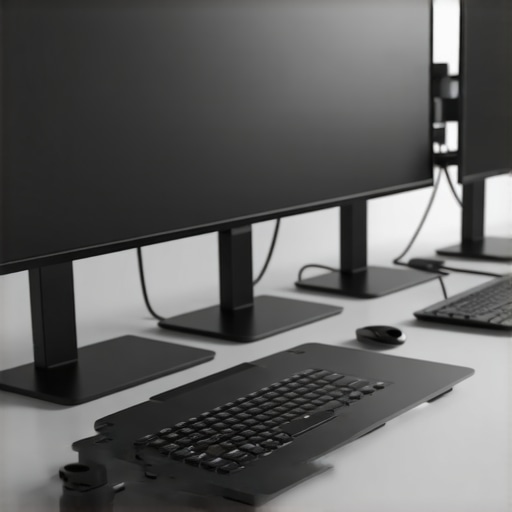
I remember the exact moment I had a lightbulb realization—after yet another frustrating morning tangled in a mess of cables, struggling to connect my laptop to multiple monitors using a cheap, unreliable dock. It was like trying to fit a square peg into a round hole. The lag, the flickering screens, and that sinking feeling that I was wasting precious work hours. That experience hit me hard and made me question whether my setup was truly optimized for productivity.
Why Your Laptop Deserves a Career-Boosting Dock in 2024
If you’re like me, juggling multiple screens and peripherals, you’ve likely faced similar headaches. The truth is, the right docking station isn’t just about convenience—it’s essential for efficiency in today’s fast-paced work environments. A well-chosen USB-C dock or Thunderbolt hub can instantly elevate your setup from frustrating to fantastic, reducing clutter and maximizing your screen real estate. According to recent surveys, more professionals are now using three or more displays to enhance productivity, making the importance of reliable multi-monitor setups even more critical. But I’ll admit, choosing the right gear was a daunting task at first—the options are overwhelming, and misinformation is rampant.
Is All the Hype About Multi-Monitor Docks Justified?
I used to think that any old USB hub would do the job—big mistake. I learned early on that not all docks are created equal, and some can actually hinder your workflow more than help. For example, I once purchased a low-cost dock promising multi-monitor support, only to experience flickering screens, lag, and compatibility issues. It was a costly mistake that taught me to do my homework.
If you’ve faced similar setbacks, you’re not alone. The key is to understand what features truly matter—fast data transfer, reliable video output, and compatibility with your laptop’s ports. Today, I’m here to guide you through the essentials, so you can avoid my pitfalls and set up a multi-monitor environment that’s seamless and efficient. Curious how to achieve this without breaking the bank or getting lost in tech jargon? Keep reading, and I’ll share practical steps to transform your workspace in 2024.
**Ready to transform your laptop setup?** If you’re facing chronic connectivity issues or just want to level up your productivity, don’t hesitate to reach out for expert advice. Your ideal multi-monitor configuration is within reach, and I’ll show you how to get there.
Select the Right Dock for Your Needs
Choose a dock that matches your workflow, whether it’s a Thunderbolt hub or a USB-C dock. During my setup, I initially bought a generic USB hub, which caused flickering and lagging. After reading detailed guides like this article on USB-C docks, I upgraded to a Thunderbolt dock, leading to a smoother experience. Think of your dock as the backbone of your multi-monitor setup; invest wisely to avoid bottlenecks.
Connect Monitors with Precision
Determine your monitors’ input options—HDMI, DisplayPort, USB-C—and verify your dock’s compatibility. I faced a setback when not all my monitors supported the same inputs, leading to delays. I resolved this by purchasing adapters compatible with my dock’s outputs and my monitors’ inputs, following practical tips from this USB hub guide. Remember, the key is matching connectors to prevent signal loss or lag, much like ensuring the right extension cords connect seamlessly.
Arrange Your Workspace Strategically
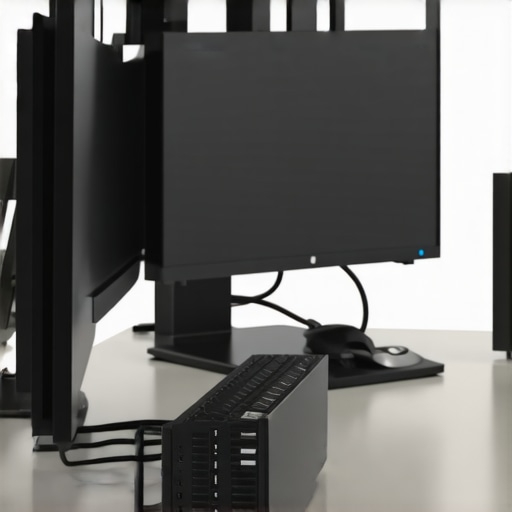
Position monitors at eye level to reduce neck strain, and run cables neatly to minimize clutter. I once left cables tangled behind my desk, which made troubleshooting frustrating. After organizing with cable ties and labeling, I cut down setup time significantly. Use quadrants on your desk to allocate space for peripherals, and think about dual-arm monitor mounts for flexibility. Proper arrangement boosts productivity and creates a clean workspace, much like tuning a race car for optimal performance.
Configure Your Display Settings Effectively
Set your monitor resolutions and refresh rates for clarity and smoothness. I initially used default settings, which caused flickering on one display. Adjusting refresh rates and resolutions through your OS’s display settings, guided by insights from this comprehensive guide, fixed the issue. Enable features like extended mode to maximize screen real estate. Think of this as tuning a musical instrument—precision leads to harmony.
Optimize Data Transfer and Power Supply
Ensure your dock supports high-speed data transfer and sufficient power delivery to keep everything running smoothly. I once experienced slow file transfers and device disconnections due to insufficient bandwidth. Upgrading to a Thunderbolt 4 dock, as recommended in this article on Thunderbolt docks, solved my issues. Prioritize docks with support for PCIe-based SSDs and fast video outputs, much like choosing the right voltage for safe operation.
When it comes to building an efficient multi-monitor setup with Thunderbolt docks or USB-C hubs, many enthusiasts fall prey to misconceptions that can hinder their productivity. Let’s dig deeper into some nuanced truths that often go unnoticed.
Do More Ports Mean Better Performance
Many assume that a dock with numerous ports automatically translates to faster data transfer and seamless connectivity. However, overloading a dock can lead to bandwidth bottlenecks, causing lag or flickering across your displays. Experts emphasize that understanding the underlying architecture, like PCIe lanes and data pathways, is crucial. For instance, using a dock that supports PCIe SSDs and high-refresh-rate monitors ensures the bandwidth matches your demands; otherwise, you risk stability issues. According to a recent technical review, selecting a dock based solely on port count can be a costly mistake—focus instead on compatibility and supported data rates. To avoid this, evaluate your specific needs and opt for a dock designed for high throughput, such as those highlighted in our top USB-C docks for 2024.
Misconception: All Thunderbolt Docks Are Created Equal
It’s a common belief that any Thunderbolt 3 or 4 dock will deliver stellar performance. The reality is more complex. Different docks implement varying controller chips and support different generations of Thunderbolt standards, which directly impact data speeds and device compatibility. An advanced user should scrutinize the dock’s specifications, especially regarding maximum transfer rates and supported features like daisy-chaining monitors or power delivery. Ignoring these nuances might lead to unexpected limitations, like reduced monitor resolution or insufficient power for connected peripherals. To master your setup, consult resources such as our Thunderbolt dock essentials guide. Remember, investment in a quality dock pays dividends in stability and performance.
Are Multiple Displays Straining Your Laptop’s Capabilities?
Many believe that simply plugging in multiple monitors will work flawlessly, but this isn’t always true. The advanced nuance lies in the GPU capabilities and the bandwidth allocated for each output. Pushing a laptop beyond its designed multi-display support can result in degraded performance, flickering, or even system crashes. For example, some laptops abstract multiple outputs through a single display pipeline, creating bottlenecks. To sidestep this trap, check your device’s specifications, including supported resolutions and refresh rates, and pair it with a dock that provides dedicated outputs, like a Thunderbolt dock optimized for multi-monitor setups. For detailed insights, see our guide on choosing the right multi-monitor configuration. Knowing your hardware limits and selecting compatible docks ensures a seamless experience. Have you ever fallen into this trap? Let me know in the comments.
Ensuring your Thunderbolt or USB-C dock continues to perform flawlessly over time requires the right tools and maintenance habits. Personally, I rely on specific hardware and software solutions that help me identify issues before they escalate, protect my investments, and keep my multi-monitor setup running smoothly for years to come.
Invest in a Quality Surge Protector
To protect your expensive dock and connected peripherals, I always use a reputable surge protector rated for high joule capacity. I prefer models that have built-in EMI/RFI filters to reduce electrical noise, which can cause display flickering or data transfer errors. Installing a surge protector not only guards against power surges but also prolongs the lifespan of your equipment, making it a no-brainer for long-term maintenance.
Regular Firmware Updates and Driver Checks
Firmware updates for docks often include bug fixes, security patches, and performance improvements. I make it a point to check for updates monthly, subscribing to vendor newsletters or following their support pages. Additionally, ensuring your laptop’s USB and Thunderbolt drivers are current prevents incompatibility issues. This proactive approach ensures your setup benefits from the latest optimizations and minimizes unexpected disruptions.
Use Monitoring Software for Connectivity Health
Tools like monitoring utilities help me track the health of my USB and Thunderbolt connections, monitor transfer speeds, and diagnose issues early. These apps can alert you to degraded ports or failing cables, which are common culprits in dropped connections or flickering displays. Staying ahead with such software allows me to replace faulty components before they cause real workflow interruptions.
Schedule Routine Cable and Port Inspections
It’s easy to overlook the wear and tear on cables and ports, but in my experience, they are the first signs of impending failure. I set a monthly calendar reminder to inspect, clean, and replace worn cables. Using compressed air to clear dust from ports and gentle contact cleaners for contacts preserves optimal signal quality. Remember, proper handling extends the life of your investment and ensures stable connectivity, especially when using a setup with multiple monitors and data-intensive peripherals.
Prediction: The Future of Maintenance Tools
Looking ahead, I believe integrated diagnostic features directly within docks—powered by AI and IoT technologies—will revolutionize maintenance. Imagine real-time alerts about potential failures, predictive analytics on component lifespan, and remote troubleshooting via smart apps. Such advancements will make long-term setup reliability more accessible and less stressful for users.
Ask Yourself: How do I maintain my equipment over time?
Creating a routine that combines hardware checks, firmware updates, software monitoring, and environmental safeguards can save you from costly replacements and downtime. To start, I recommend trying the routine cable inspections and firmware checks outlined here. Staying vigilant today ensures your multi-monitor setup remains a productivity powerhouse well into the future.
Lessons That Changed My Perspective on Multi-Monitor Mastery
- Sometimes, less really is more—overloading your dock with gadgets can cause more harm than good, slowing down your workflow instead of speeding it up. Knowing the maximum supported bandwidth saved me from frustrating flickering screens and lag.
- Choosing the right dock isn’t just about port count; understanding the quality of internal controllers and supported standards has a profound impact on stability and performance, which I only truly appreciated after some costly trial and error.
- Organizing your workspace isn’t a luxury but a necessity—an ergonomic setup combined with cable management boosts productivity and saves you hours in setup and troubleshooting every week.
- Firmware and driver updates aren’t optional extras—they’re essential for keeping your multi-monitor environment smooth and secure. Staying proactive here prevented many hiccups down the line.
- Monitoring tools can be game-changers—spotting issues early with software alerts saved me from major disruptions, and I recommend integrating them into your routine for peace of mind.
My Go-To Resources for a Killer Multi-Monitor Setup
- Choosing the right dock guide—a comprehensive resource that helped me evaluate what features truly matter, avoiding pointless overpaying and ensuring compatibility.
- Ultimate USB hub guide—trustworthy insights on expanding your connectivity intelligently without bottlenecks or performance drops.
- Thunderbolt dock essentials—a must-read to understand the nuances that separate decent docks from the ones that will truly support your multi-monitor needs.
- Mastering USB-C docking—a future-proof resource that I keep bookmarked for staying ahead in connectivity trends and features.
Your Next Step Starts Now
Embracing the right tools and knowledge can elevate your multi-monitor setup from a tangled mess to a productivity powerhouse. The world of Thunderbolt docks and USB hubs is evolving rapidly, and staying informed will ensure you’re always ahead of the curve. Remember, your workspace is a reflection of your effort—invest wisely and thoughtfully, and watch your efficiency soar. Curious about optimizing a specific component of your setup? I invite you to reach out for personalized advice. Your journey to a seamless multi-monitor experience begins with a single step—take it today.
This post really hits home for anyone who’s struggled with subpar docking solutions. Like many others, I initially bought a budget dock just to save some money, but it quickly turned into a headache with flickering screens and lag. Upgrading to a quality Thunderbolt dock made a huge difference, especially in terms of stability and speed. I’ve found that investing in a dock with support for PCIe SSDs and high refresh rate monitors actually boosts productivity because I don’t have to worry about signal loss or delays anymore. One thing I’ve learned is that choosing a dock isn’t just about port quantity—internal architecture and compatibility are what really count. I’m curious, does anyone have tips on how often to update firmware and drivers to keep things running smoothly without risking compatibility issues? For me, monthly checks seem like a good rule of thumb, but I’d love to hear what others do to maintain optimal performance over time.
I completely resonate with the frustration of dealing with subpar docks early on; I used to overlook the importance of internal architecture and compatibility just like many. Upgrading to a high-quality Thunderbolt dock has been a game-changer, especially since it supports PCIe SSDs and high-refresh-rate monitors—just as you mentioned. These features truly boost productivity by ensuring stable and fast connections across multiple displays and peripherals. As for firmware and driver updates, I’ve found that doing so quarterly works well for me, balancing between staying current and avoiding potential compatibility hiccups. However, I realize this might vary depending on the device or manufacturer. Have you or others noticed specific signs that indicate it’s time for an update rather than sticking to a fixed schedule? I think paying attention to system stability, display flickering, or connection drops can be good indicators. Overall, focusing on quality hardware paired with regular maintenance seems to be the safest approach to keep multi-monitor setups running smoothly long-term.
Reading this post really reinforces the importance of quality hardware and constant maintenance for multi-monitor setups. I remember when I first tried to expand my workspace with a budget dock, only to end up troubleshooting flickering and connection issues every week. Upgrading to a high-end Thunderbolt dock supported by PCIe SSD support truly transformed my workflow—no more lag or display flickering, which saves me hours each month. The key lesson I’ve learned is that choosing the right dock isn’t just about port number but about internal architecture and real compatibility. I’ve also adopted a regular update schedule—about every two months—to keep firmware and drivers current, which seems to prevent most issues before they arise. Have others found a certain schedule or method to monitor when updates are needed? I’d be curious to know what works best in different setups, especially for those with multiple monitors and data-heavy peripherals.
Reading through this post really hit home for me. I used to struggle with a cheap, unreliable dock that caused screen flickering and lag, especially when I was trying to work with multiple monitors. Once I invested in a high-quality Thunderbolt dock with support for PCIe SSDs and high refresh rates, everything changed. The stability, speed, and overall productivity boost were noticeable immediately. This highlights how important internal architecture and compatibility are when choosing a dock, not just port quantity. Personally, I make it a point to check for firmware and driver updates every couple of months—more frequently if I notice any glitches or performance drops. Have others found a regular schedule that works best to keep everything running smoothly without risking compatibility issues? I’d love to hear your experiences or tips on maintaining a reliable multi-monitor setup over time.