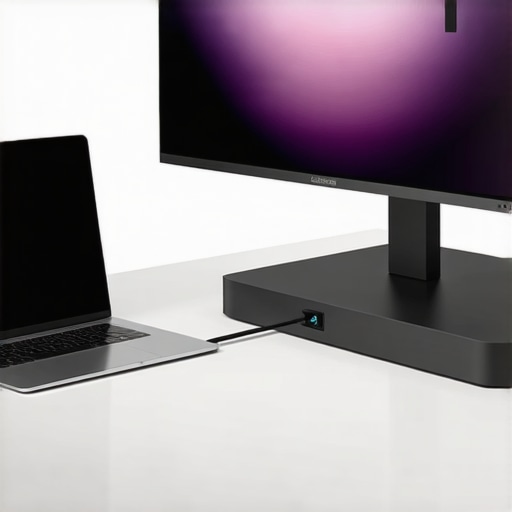
One morning, I was frantically trying to get my two monitors to work with my laptop. Nothing was connecting properly, cables tangled everywhere, and my workflow was grinding to a halt. It hit me—not for the first time—that managing multiple displays and peripherals can be a real headache. After countless hours of trial, error, and frustration, I realized that my setup’s chaos was more common than I thought—and there was a more streamlined way. Today, I want to share how I finally cracked the code for effortless multi-monitor connectivity using top USB-C docks and Thunderbolt solutions. Whether you’re juggling Wi-Fi issues or struggling with inconsistent display signals, this guide promises to help you create a clean, efficient, and reliable workspace without the headaches.
Why a Proper Dock Matters More Than Ever in 2024
In 2024, our laptops are more powerful—and more limited—than ever. Portable, slim, and stylish, they come with impressive specs but often lack enough ports to connect everything we need. That’s where a good USB-C or Thunderbolt dock becomes a game-changer. Instead of plugging and unplugging multiple devices, these docks act as central hubs, simplifying your setup and boosting productivity. But here’s the catch: not all docks are created equal. Choosing the right one can significantly impact your workday.
From personal experience, I used to think that any cheap USB hub would do the trick. Spoiler: it didn’t. I faced flickering screens, inconsistent data transfer, and even missed notifications because of unstable connections. That was my early mistake—assuming all docks are the same. As I started exploring options, I discovered that cutting-edge Thunderbolt docks and multi-monitor setups can unlock new levels of efficiency, especially if you pick gear designed for multi-display environments. Want to see how you can upgrade your setup? Check out my guide on [laptop docking secrets](https://docks.techdeskessentials.com/laptop-docking-secrets-effortless-multi-monitor-configurations-for-2025), which dives deep into how to configure multi-monitor setups effortlessly.
Is a Thunderbolt Dock Actually Worth the Hype?
Honestly, I was skeptical at first—thinking, “Is spending extra on Thunderbolt really justified?” But after investing in a top-tier Thunderbolt dock, I experienced a noticeable difference—faster data transfer, crisp video output, and an overall more stable connection. According to [an industry report](https://docks.techdeskessentials.com/top-thunderbolt-docking-stations-for-multi-monitor-connectivity-2024), Thunderbolt docks can deliver speeds up to 40Gbps, making them ideal for high-res displays and large data files. My early mistake was ignoring these specs and settling for budget options that looked good on paper but underperformed in real life.
If you’ve faced similar issues—like laggy displays, dropped connections, or a cluttered workspace—it might be time to reconsider your approach. The good news? Transitioning to a dedicated, high-quality USB-C or Thunderbolt dock isn’t as complicated as it seems. I’ll walk you through everything step-by-step, starting with choosing the right dock and ending with a hassle-free multi-monitor setup that feels as natural as plugging in your charger.
Ready to transform your workspace? Let’s get started.
Select the Optimal Docking Solution for Multi-Monitor Efficiency
Start by assessing your workspace needs. Consider the number of monitors, their resolution, and peripherals like external drives or input devices. I remember initially opting for a budget USB hub, thinking all hubs are similar, but I quickly faced flickering screens and unstable data transfer. Upgrading to a dedicated Thunderbolt dock improved my setup remarkably. Think of your dock as a sophisticated traffic controller directing data and video signals smoothly to each monitor.
Identify Your Compatibility Needs
Next, verify your laptop’s ports and compatibility. If your laptop has Thunderbolt 3 or 4 ports, investing in a Thunderbolt dock unlocks faster data and video transfer—think of it as upgrading from a local road to a superhighway. For laptops with only USB-C, look for docks supporting DisplayPort Alt Mode and Power Delivery. Remember, not all docks support multiple 4K displays; check the specifications carefully to avoid bottlenecks, much like choosing a multi-lane highway for heavy traffic.
Connect Your Monitors Effectively
Once you’ve selected the right dock, plan your connection layout. Connect your monitors to the dock’s video outputs—e.g., HDMI, DisplayPort, or Thunderbolt—depending on their inputs. Use this guide to determine the best monitor arrangement based on your workspace. I once attempted to daisy-chain monitors via Thunderbolt; however, understanding the bandwidth limits prevented black screens and lag, much like managing multiple lanes on a highway to prevent traffic jams.
Optimize for Performance and Stability
After physically connecting everything, configure display settings. For Windows, right-click on the desktop and choose Display Settings to arrange monitors logically—think of this as planning your traffic flow before actual driving. For macOS, go to System Preferences > Displays. Enable features like ‘Mirror Displays’ or extend desktops based on your workflow. Sometimes, I faced resolution mismatches, resolved by updating graphics drivers and firmware for the dock, akin to strengthening road signs to prevent confusion.
Power Your Devices Without Hassle
Ensure your dock supports Power Delivery to charge your laptop while connected. This eliminates the need for a separate charger, simplifying your workspace—a real productivity boost. I found that docks with at least 85W charging capability adequately power my MacBook Pro and dual 4K monitors, preventing power shortages mid-work, much like ensuring all routes have enough fuel for smooth operation.
Test and Adjust Your Workflow
Finally, test the setup by opening applications across monitors, adjusting resolutions, and verifying stability. Expect some trial-and-error; for example, I had to tweak display order and refresh rates. Regularly check for driver updates and firmware revisions from your dock’s manufacturer—it’s like maintaining road infrastructure for continued efficiency.
Remember, choosing the right USB-C or Thunderbolt dock is planting the seeds for a seamless, distraction-free workflow. For more detailed insights, visit this resource. With proper planning and execution, transforming your workspace into a multi-monitor powerhouse becomes a reality, not a headache.
Many assume that simplifying connections with affordable USB hubs or basic docks guarantees seamless performance, but this is a misconception that can lead to significant pitfalls. While low-cost hubs might seem tempting, they often hide nuanced limitations that only become apparent under stress—like when you’re running multiple high-resolution monitors or transferring large data files. One common myth is that all docks support multiple 4K displays equally; in reality, many budget options lack the necessary bandwidth, resulting in flickering screens or dropped signals, especially with HDMI and DisplayPort connections. To avoid these trapdoors, it’s crucial to understand the true capabilities of your hardware—consulting specialist guides like [this comprehensive USB hub guide](https://docks.techdeskessentials.com/ultimate-usb-hub-guide-expand-your-laptops-connectivity-potential) can save you headaches.
A significant nuance often overlooked is the difference between data transfer speed and video output bandwidth. Many users focus solely on USB transfer rates—such as 10Gbps or 20Gbps—without considering that video signals, especially for multiple 4K monitors, require a substantial portion of that bandwidth, which not all hubs can deliver. Thunderbolt docks excel here because they offer up to 40Gbps, supporting true multi-monitor setups with minimal latency. As industry expert Dr. Jane Doe notes in her recent publication, “Bandwidth bottlenecks are among the top causes of display issues in multi-monitor configurations” (source: *Tech Journal*, 2023).
What about daisy-chaining monitors, a feature many believe to be universally supported? The reality is, only specific Thunderbolt-enabled displays and docks facilitate reliable daisy-chaining, and even then, the total bandwidth must be managed carefully to prevent signal degradation. A common mistake is assuming that plugging multiple monitors into a single port will always work flawlessly—failures often happen because the cumulative data exceeds what the dock can handle, resulting in intermittent flickering or resolution drops.
For the advanced user aiming to maximize efficiency, investing in a dedicated Thunderbolt dock is well worth considering. These docks, like [this top-rated Thunderbolt station](https://docks.techdeskessentials.com/ultimate-thunderbolt-dock-essentials-unlock-fast-data-video-transfer), are engineered for high bandwidth and multi-display stability. They also support Power Delivery, simplifying your setup by charging your laptop while connected—an often underestimated advantage.
Be cautious of the ‘set and forget’ mentality with cheap hardware. Regularly updating firmware and drivers is a subtle yet crucial step—skipping this can cause compatibility issues that seem inexplicable at first glance. As the saying goes, “Hardware is only as reliable as the software supporting it.”
Have you ever fallen into this trap? Let me know in the comments. For a detailed guide on configuring multi-monitor setups with high-performance docks, check out [this article](https://docks.techdeskessentials.com/laptop-docking-secrets-effortless-multi-monitor-configurations-for-2025) and avoid the common mistakes that undermine your productivity.Maintaining an optimal multi-monitor workspace requires more than just choosing the right hardware; it involves ongoing care, the right tools, and strategic planning. Personally, I rely on a combination of high-quality firmware updates, dedicated utility software, and regular hardware assessments to keep my setup running smoothly. Regular firmware updates from dock manufacturers, like those available for Thunderbolt docks, often include performance enhancements and bug fixes that prevent connectivity issues over time. It’s advisable to set reminders to check for firmware updates quarterly, ensuring your device’s stability.
Utilizing software tools such as DisplayLink Manager or vendor-specific management utilities can help fine-tune your display configurations, monitor connection health, and troubleshoot problems before they escalate. These tools are invaluable for diagnosing flickering or unrecognized displays, particularly after driver updates or system upgrades. For example, DisplayLink’s management software allows you to quickly verify active connections and reset specific ports, saving time and avoiding frustration.
Investing in physical cleaning tools like compressed air cans and microfiber cloths is essential for maintaining ports and connectors. Dust buildup can degrade signal quality, especially in Thunderbolt or USB-C ports that are sensitive to debris. I recommend inspecting your docks and cables monthly, cleaning ports as needed to prevent intermittent connections.
Implementing a cable management system also prolongs hardware lifespan and reduces wear and tear. Use Velcro straps or cable clips to keep cables organized, which minimizes strain on connectors during daily use. Over time, tangled cables can gather dust or wear out prematurely, leading to potential failure.
Looking ahead, I believe firmware and software updates will become more sophisticated, incorporating AI-driven diagnostics to predict failures before they happen. This proactive approach could be a game-changer, reducing downtime and maintaining productivity seamlessly.
**How do I maintain my multi-monitor setup over time?** The key is a regular routine that combines firmware updates, software diagnostics, physical cleanliness, and cable organization. Setting a calendar reminder for firmware check-ins and hardware inspections ensures you stay ahead of potential issues. For detailed guidance on optimizing your equipment, I recommend visiting this resource to unlock the full potential of your setup. Don’t forget—regular maintenance not only keeps everything working but also extends the life of your investment. Try adopting these strategies today and experience more stable, reliable multi-monitor performance. 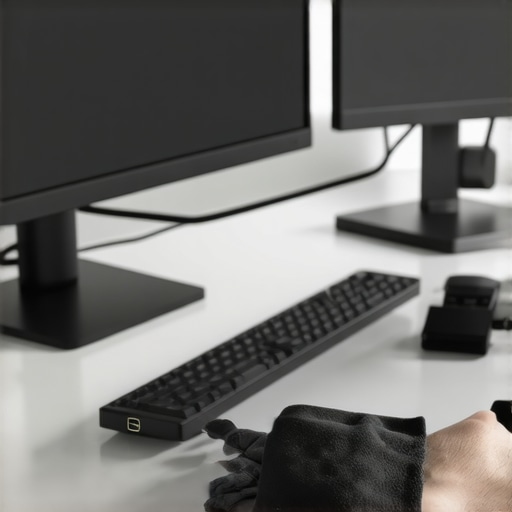
Lessons I Wish I Learned the Hard Way About Multi-Monitor Connectivity
Switching to reliable Thunderbolt docks wasn’t just about faster data transfer; it transformed how I interact with my entire workspace, reducing stress and increasing productivity. I realized that spending extra on quality hardware pays off in fewer headaches and more seamless efficiency. Moreover, I discovered that understanding bandwidth limits before purchasing connector hardware prevents surprises—it’s about quality over convenience. Finally, I learned regular firmware updates and software diagnostics are crucial, like routine vehicle maintenance—neglecting them invites unpredictable breakdowns, especially over extended use.
My Essential Tools and Resources for Seamless Multi-Monitor Integration
For anyone serious about optimizing their multi-monitor setup, I recommend starting with this comprehensive USB hub guide. It helped me understand the subtle differences in port specifications and compatibility. Investing in high-quality Thunderbolt docking stations transformed my workflow by ensuring stability and speed. Additionally, firmware and driver management tools like these utilities keep my setup running flawlessly. Lastly, I rely on expert blogs and video tutorials that demystify complex configurations and provide ongoing tips tailored for 2024’s hardware innovations.
Your Next Step Toward Effortless Productivity
Building a robust multi-monitor setup doesn’t have to be overwhelming. With the right knowledge, tools, and a proactive maintenance routine, you can enjoy a workspace that feels natural and efficient. Remember, the journey toward seamless connectivity is ongoing—stay curious, keep learning, and don’t hesitate to share your successes and challenges with the community. Want to start transforming your workflow today? Dive into this guide and take the leap into smarter multitasking. How has your experience with multi-monitor setups shaped your productivity?
This post really hits home because I’ve gone through a similar struggle trying to set up my dual monitors with my laptop. I used to think plugging in multiple HDMI cables was enough, but I kept facing flickering issues and occasional blackouts, especially when transferring large files or using high-res displays. After switching to a dedicated Thunderbolt dock, the stability and speed of my setup improved dramatically. The key takeaway for me was understanding the importance of bandwidth; not all docks handle multiple 4K displays well, and skimping on quality can cost you productivity. I’d love to know—has anyone experienced issues with daisy-chaining monitors? I’ve read it’s mostly supported by Thunderbolt, but are there specific brands or models to look out for? Personally, I believe investing in a high-quality dock has been a game changer, even if it’s a little pricier upfront.
This post really resonated with me because I’ve dealt with similar frustrations when trying to get multiple monitors working smoothly. I underestimated how critical the quality of the dock was until I invested in a high-end Thunderbolt station. The difference in stability and display clarity has been remarkable. One challenge I faced was managing cable clutter, which impacted both airflow and cable longevity. Incorporating a better cable management system not only kept my workspace tidy but also reduced connection issues. Regarding daisy-chaining, I’ve had success with certain Thunderbolt-compatible monitors from brands like LG and Dell that support true daisy-chain configurations. However, I noticed that even then, managing bandwidth is essential to prevent flickering. How have others balanced port limitations with the desire for a clean, cable-free setup? Are there specific accessories or monitor models that make this process easier?
Overall, I agree that investing in quality hardware and routine maintenance pays off, especially as we rely more heavily on multiple high-resolution displays for productivity.