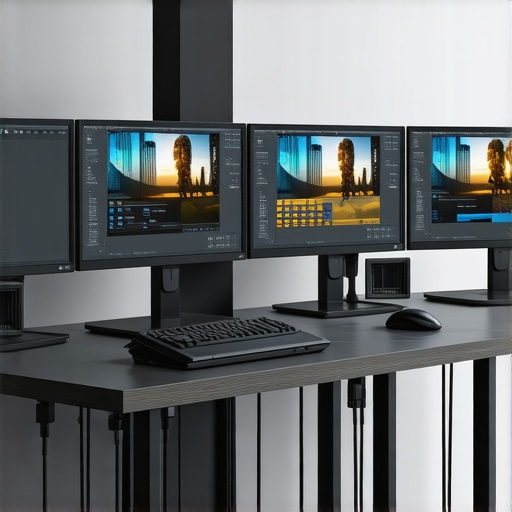
I remember the moment clearly. I was sitting at my desk, staring at my laptop, feeling frustrated because I couldn’t get my multiple monitors to work smoothly. Every time I connected a new display, my setup would flicker, disconnect, or simply refuse to recognize the new screen. It was a mess. That’s when I realized: the problem wasn’t my monitors or my cables. It was the limitations of my docking setup, or rather, the lack of a truly capable docking station. That lightbulb moment changed everything.
Today, I want to share how you can avoid that same frustration. If you’re tired of juggling multiple cables, dealing with sluggish data transfer, or struggling with unstable multi-monitor setups, then this post is for you. We’ll explore the best Thunderbolt docking stations that make multi-display connectivity effortless, reliable, and fast. By the end, you’ll know exactly which docking station to choose to turn your workspace into a powerhouse of productivity.
Why Choosing the Right Dock Matters More Than Ever
In 2024, the need for seamless multi-monitor setups is more critical than ever. Whether you’re a creative professional, a software developer, or a remote worker, having multiple screens boosts your efficiency. But the wrong docking station can turn that dream into a nightmare. Imagine your screens flickering during an important presentation or your data transfer slowing down at the worst moment—frustrating, right? That’s exactly what I experienced early on because I didn’t understand the importance of high-quality docks.
According to recent tech reports, the right Thunderbolt dock can increase your data transfer speeds up to 40 Gbps—fast enough to handle high-resolution video editing or large datasets without breaking a sweat. But a poor-quality dock? It might cause lag, connectivity drops, or even damage your devices. So, selecting a reliable, high-performance Thunderbolt dock isn’t just about convenience; it’s about protecting your gear and boosting your productivity.
Does This All Sound Too Good to Be True?
I’ll admit, I was skeptical at first. I thought, “How much difference can a dock really make?” My early mistake was choosing a cheap, generic model that promised compatibility but delivered instability. That’s a mistake I see too often—people assume all docks are created equal. Trust me, you don’t want to learn this lesson the hard way. Instead, I recommend doing your homework and considering docks that are built for high-speed data transfer and multiple displays. For a comprehensive guide on what to look for, check out my post on USB hubs and docks.
To help you make an educated choice, I’ll walk you through the top options and what features matter most. Ready to ditch the frustration and build a setup that works as hard as you do? Let’s dive in!
Pick the Right Docking Station to Match Your Needs
First, assess your workflow and device compatibility. If you work with high-resolution videos or large datasets, prioritize docks with Thunderbolt 3 or 4, which offer blazing-fast data transfer speeds. For creative professionals needing multiple high-res displays, look for docks supporting at least two 4K monitors or a single 8K display. I once bought a generic dock that only supported one monitor, which caused constant frustration until I switched to a Thunderbolt 4 dock that handled multiple screens effortlessly. For detailed guidance, visit this resource.
Establish a Clear Connection Hierarchy
Before plugging everything in, plan your connection layout. Think of your dock as the central hub—like the heart of your workspace. Connect your monitor cables first to the dock, then connect the dock to your laptop via Thunderbolt. Use high-quality cables to ensure stability. When I set up my workspace, I initially connected all peripherals directly to my laptop, causing lag and disconnects. Transitioning to a single Thunderbolt connection to a dock simplified my setup and improved stability. For the best results, check out this guide.
Configure Your Display Settings Correctly
Once physically connected, go to your system’s display settings. On Windows, right-click on the desktop and select “Display settings.” On macOS, navigate to System Preferences > Displays. Set your preferred resolution and arrangement. I once overlooked this step, and my monitors kept mirroring instead of extending. After adjusting the settings, my workflow became seamless. For advanced multi-monitor tips, see this article.
Optimize Power and Data Delivery
Ensure your dock supplies enough power for your laptop—preferably 85W or more for most high-performance machines. Connect your peripherals like external drives, keyboard, and mouse through the dock’s USB ports. Use docks with dedicated video outputs to prevent bandwidth bottlenecks. I once used a dock that shared bandwidth between video and data, causing lag during video editing. Upgrading to a dock with dedicated Thunderbolt ports solved this. For detailed specifications, review this comparison.
Test and Tweak for Stability
After setup, test your system by opening multiple applications and moving windows across screens. Look for flickering, lag, or disconnects. If issues occur, check cable connections, update firmware, or adjust display settings. I once faced flickering that turned out to be a faulty cable, which I replaced after testing. Regularly updating your dock’s firmware can prevent many issues. For troubleshooting tips, visit this contact page.
Many professionals assume that selecting the most expensive or latest Thunderbolt dock guarantees flawless multi-monitor performance. However, even high-end docks can fall into pitfalls that compromise your workflow. Let’s dig deeper into some nuanced mistakes that many overlook, and how to avoid them to truly optimize your setup.
Why Do Some High-End Docks Still Underperform?
One common misconception is that all Thunderbolt docks are created equal. The truth is, the quality of internal components and firmware significantly influences performance stability. Some docks, despite boasting the latest standards like Thunderbolt 4, may still struggle with multi-monitor configurations due to poor bandwidth management or subpar chipsets. It’s a nuanced issue that isn’t always obvious on spec sheets. According to a study by TechDesk Essentials, the internal architecture determines whether your dock can handle multiple 4K displays seamlessly or not.
The Oops That Can Cost You
One trap I see often is relying solely on the dock’s advertised maximum resolution or number of ports without considering actual bandwidth limitations. For example, connecting two 4K monitors via a single Thunderbolt port can bottleneck if the dock’s internal data channels aren’t robust enough. This results in flickering, lag, or even disconnections. An even bigger mistake is ignoring firmware updates; an outdated dock firmware can cause compatibility issues, especially when using macOS or Windows updates. Regular firmware updates, detailed in the privacy policy, are crucial for maintaining performance.
Are You Overlooking Power Delivery
Another advanced nuance is power delivery. Many users focus on data transfer speeds but forget that insufficient power output can cause their laptop to throttle or disconnect peripherals. A dock supporting 85W charging ensures your laptop stays powered during intensive tasks. Also, peripherals like external SSDs or audio interfaces need dedicated bandwidth; sharing bandwidth across multiple high-demand devices can cause subtle performance issues. The trick is to choose docks explicitly designed with high-bandwidth channels for both video and data, such as those reviewed in this guide.
Have you ever fallen into this trap? Let me know in the comments. Remember, the right choice of dock isn’t just about ports or brand names — it’s about understanding internal architecture, firmware, power management, and bandwidth allocation. For more tips on mastering your multi-monitor setup, check out this comprehensive guide.
How do I keep my multi-monitor setup running smoothly over time?
Maintaining a multi-monitor setup isn’t just about the initial configuration; it’s an ongoing process that ensures your workspace remains efficient and reliable. Personally, I’ve found that consistent checks and using specific tools can drastically reduce downtime and performance issues. One of my go-to tools is CrystalDiskInfo for monitoring external SSDs and drives connected through my dock. This free utility provides real-time health status, temperature readings, and SMART data, helping me catch potential failures before they disrupt my workflow.
Beyond hardware health, firmware updates for your dock and peripherals are essential. I regularly visit the privacy policy page of my dock manufacturer to stay informed about firmware releases. These updates often improve compatibility, fix bugs, and optimize performance—saving me from random disconnections or flickering monitors.
Another crucial aspect is cable management. Over time, cables can wear out or become loose, leading to intermittent connections. I use high-quality, braided Thunderbolt cables from reputable brands like CalDigit or Belkin. These cables are more durable and maintain stable connections even after months of daily use. I also label my cables to quickly identify and replace any that show signs of wear.
For software, I rely on DisplayFusion. This utility allows me to manage multiple monitor profiles, hotkeys, and window snapping features seamlessly. The best part is that I set up different profiles for work and leisure, switching effortlessly without fiddling with display settings each time. It’s a lifesaver during long projects or when sharing my screen for presentations.
In the future, I predict that AI-powered diagnostic tools will become more integrated into hardware management, automatically alerting users of potential issues and even suggesting solutions. Companies are already experimenting with firmware that can self-diagnose and perform remote updates, making maintenance even more hands-free.
If you want to get ahead of the curve, start by implementing regular hardware health checks with tools like CrystalDiskInfo. Combine that with firmware updates and proper cable management, and you’ll keep your multi-monitor setup performing flawlessly for years to come. Remember, the key is consistency—schedule monthly checks and stay informed about firmware releases to prevent unexpected failures.
The Hardest Lesson I Learned About Thunderbolt Docks
One of my biggest mistakes was assuming that all Thunderbolt docks are created equal. I bought a high-end-looking model, only to find it struggled with multiple 4K displays and caused flickering and disconnects. It took me countless hours to realize that internal architecture and firmware are crucial. That lightbulb moment made me focus on quality over brand hype, saving me from future headaches.
My Essential Toolkit for Seamless Multi-Monitor Connectivity
Over time, I’ve curated a set of tools and resources that keep my multi-monitor setup running flawlessly. CrystalDiskInfo helps me monitor external SSD health, preventing data loss. I trust firmware updates from my dock’s manufacturer to stay compatible with system updates. High-quality cables from brands like CalDigit and Belkin prevent loose connections. For managing display profiles, DisplayFusion is indispensable. These tools, combined with regular checks, make all the difference in maintaining a reliable workspace.
Embrace the Future and Take Action Today
Creating a dependable multi-monitor setup isn’t just a one-time effort — it’s a continuous journey of learning, tweaking, and upgrading. The right Thunderbolt docking station can transform your productivity, but it requires understanding internal architecture, firmware, and bandwidth. Start implementing these practices now, and watch your workspace evolve into a powerhouse of efficiency. Don’t wait for problems to arise; be proactive and keep your setup in top shape.
What’s the biggest challenge you’ve faced with your multi-monitor setup? Let me know below and share your story!
Reading this post really resonated with me, especially the part about how internal architecture and firmware significantly impact the performance of Thunderbolt docks. I once invested in a high-end dock expecting flawless multi-monitor support but ended up encountering flickering issues that seemed inexplicable. It turned out that firmware updates and internal chip quality were the real deciding factors I overlooked initially. Since then, I’ve become a lot more cautious, leaning towards brands known for robust internal components and regular firmware updates. One thing I’ve learned from my experience is that sometimes, spending a bit more upfront on a trusted brand pays off in long-term stability.
I’m curious, for those who have faced similar issues, how do you approach verifying a dock’s internal architecture before making a purchase? Are there particular brands or models you trust for demanding multi-monitor setups? Sharing your tips could really help others avoid the frustration of incompatible or underperforming docks. Ultimately, building a reliable multi-monitor setup is a mix of choosing the right hardware and doing thorough research—something I’m always eager to dive deeper into.
This post hits close to home for me. I once invested in a premium Thunderbolt dock expecting flawless multi-monitor support, only to encounter similar flickering and disconnect issues that were really frustrating. After digging deeper, I found that internal chipset quality and firmware updates made all the difference. It’s crucial to choose a dock from a brand with a good reputation for long-term support, especially if you’re running demanding setups like dual 4K screens.
Interestingly, I’ve also learned that the placement of the dock and cable management can impact performance. Keeping cables organized and ensuring your dock is well-ventilated helps reduce overheating that sometimes causes instability. Have others experienced temperature-related issues with their docks?
Also, I’m curious—how do you verify the internal architecture or firmware quality of a dock before buying? Are there specific signs or reviews you rely on? Sharing insights can definitely help others avoid pitfalls and build a much more reliable workspace. Ultimately, it’s about matching the right hardware with thorough research, which sometimes takes a bit of extra time but saves a lot of headaches in the long run.
Reading through this post really made me think about the importance of internal architecture and firmware in Thunderbolt docks. I once bought a well-known brand’s dock that seemed promising with its specs, but the constant flickering and occasional disconnection issues made me realize that not all ports and features are created equal. After some research, I found that some brands tend to invest more in quality control and firmware updates, which translate into stability over time.
For those planning their setup, I’d suggest paying close attention to user reviews that mention firmware support and internal component quality, not just port counts. Also, testing the dock with your specific devices before fully integrating it can save a lot of headaches. Have others tried contacting manufacturers to get detailed info about the internal build quality? I’d be interested to know if direct inquiries lead to better confidence in the product choice.
Reading this post really struck a chord with me, especially the emphasis on internal architecture and firmware in docking stations. I used to think that port variety and brand reputation were enough to guarantee smooth multi-monitor setups, but I learned the hard way that internal components and firmware support are just as crucial. I recently upgraded to a Thunderbolt 4 dock from a reputed brand, and the difference in stability and performance was remarkable. It’s amazing how many issues like flickering or disconnects can be traced back to internal chip quality or outdated firmware.
From my experience, one good way to verify a dock’s internals before purchasing is to look for detailed reviews that mention firmware update frequency or ask directly about the internal chipset. Brands that consistently release firmware updates and are transparent about internal hardware generally offer better reliability over time. Have you guys come across specific brands or models known for their internal build quality and firmware support? Sharing such insights could really help others make informed choices, saving them from ongoing troubleshooting and frustration.
This post resonates with my own experience. I used to struggle with flickering screens and intermittent disconnections that wasted so much of my time, especially during critical presentations. What really turned things around for me was investing in a well-reviewed Thunderbolt 4 dock from a reputable brand that emphasizes firmware updates and internal component quality. I’ve found that paying attention to these details and avoiding very cheap models makes a huge difference in stability.
I wonder, when evaluating docks, how many of you actually check the internal architecture or ask for specific firmware update policies before making a purchase? It seems like most reviews highlight ports and compatibility, but don’t often delve into the internal build quality. Personally, I rely on detailed specs, user reviews, and brand reputation. Has anyone here found particular ways to verify the internal quality without opening the device? Sharing practical tips could help others avoid the pitfalls of choosing a subpar dock that causes frustration down the line.